Introduction
Across the planet, countless plant species face shrinking populations due to habitat destruction, climate change, and human disturbance. As ecosystems fragment and species become isolated, many plants now persist in small populations, often consisting of only dozens or hundreds of individuals. These reduced populations face profound challenges that extend beyond simple numbers—they also experience shifts in their mating systems, genetic diversity, and evolutionary trajectories.
The study of plant mating systems in small populations reveals important insights into how plants reproduce, adapt, and survive under environmental pressure. A mating system describes how plants transfer pollen and produce offspring, ranging from self-fertilization (selfing) to cross-fertilization between individuals (outcrossing). These systems influence genetic variation, inbreeding levels, and the long-term viability of plant populations.
Habitat fragmentation and population decline are increasingly common globally, making the study of mating systems particularly relevant for conservation biology. Small populations may suffer from genetic erosion, inbreeding depression, and limited pollination, all of which can reduce reproductive success and increase extinction risk.
This article explores the ecological and evolutionary dynamics of plant mating systems in small populations, including how population size influences reproduction, the role of genetic variation, evolutionary responses to environmental stress, and the implications for biodiversity conservation.
Understanding Plant Mating Systems
The Basics of Plant Reproduction
Plants have evolved an extraordinary diversity of reproductive strategies. Unlike animals, many plants possess the ability to reproduce both sexually and sometimes clonally. Sexual reproduction in plants typically involves pollen transfer from the male reproductive organs (anthers) to the female structures (stigmas).
There are two major modes of fertilization:
1. Self-fertilization (selfing)
Pollen fertilizes ovules from the same plant or genetically identical individuals.
2. Cross-fertilization (outcrossing)
Pollen is transferred between genetically different individuals.
Each system has advantages and disadvantages depending on ecological conditions and population structure.
Selfing vs. Outcrossing
Self-Fertilization
Self-fertilization offers several benefits:
- Guarantees reproduction when mates or pollinators are scarce
- Allows rapid colonization of new habitats
- Maintains reproductive success in isolated populations
However, it also carries major risks:
- Reduced genetic diversity
- Increased inbreeding depression
- Accumulation of harmful mutations
In small populations, selfing can become more common because plants simply have fewer partners available.
Cross-Fertilization
Outcrossing promotes:
- Higher genetic diversity
- Greater evolutionary potential
- Reduced expression of harmful mutations
But cross-fertilization depends heavily on external factors such as:
- Pollinator availability
- Population density
- Spatial distribution of plants
When populations shrink, cross-fertilization often becomes less efficient because individuals may be too far apart for effective pollen transfer.
Population Size and Genetic Variation
Population size plays a critical role in determining mating systems and evolutionary outcomes.
Large populations typically maintain:
- High genetic diversity
- Strong pollinator networks
- Robust cross-pollination systems
Small populations, by contrast, often experience genetic drift, where random changes in gene frequencies occur. Over time, this can reduce genetic variation and increase the frequency of harmful alleles.
Historical population size also matters. Even if a population becomes small recently, its past size influences the amount of genetic variation it retains. Historical population sizes shape the genetic load and diversity present today, affecting reproductive success and evolutionary potential.
Inbreeding and Inbreeding Depression
What Is Inbreeding?
Inbreeding occurs when closely related individuals reproduce. In small plant populations, this is common because:
- Individuals grow close to their relatives
- Pollinators transfer pollen among nearby plants
- Genetic diversity declines over time
Consequences of Inbreeding
Inbreeding often exposes harmful recessive mutations, leading to inbreeding depression—a reduction in fitness.
Symptoms may include:
- Lower seed production
- Reduced germination rates
- Poor growth
- Increased susceptibility to disease
For plants already struggling in small populations, inbreeding depression can significantly increase extinction risk.
Purging of Genetic Load
Interestingly, selfing populations sometimes purge harmful mutations over time. When deleterious alleles are expressed repeatedly, natural selection can remove them from the population.
However, this process is slow and not always effective, particularly in very small populations where genetic drift can overwhelm selection.
Pollination and Mate Limitation
The Role of Pollinators
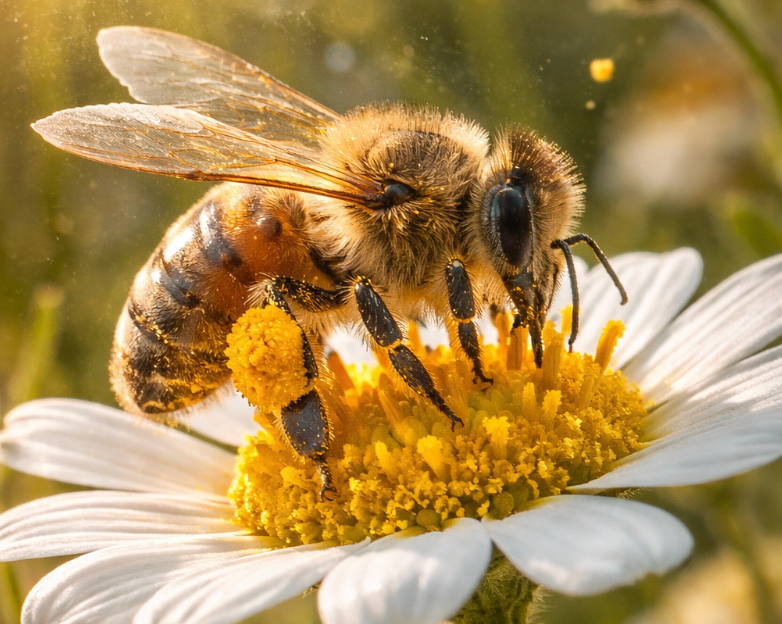
Many flowering plants rely on pollinators such as:
- Bees
- Butterflies
- Birds
- Bats
Pollinators transfer pollen between individuals, enabling outcrossing.
In fragmented habitats, pollinator communities often decline or change. This can disrupt pollination networks and reduce cross-fertilization rates.
Mate Limitation
Mate limitation occurs when plants lack compatible partners nearby. In small populations, this is a common challenge.
Factors contributing to mate limitation include:
- Low plant density
- Spatial isolation
- Reduced pollinator movement
When mate limitation occurs, plants may evolve strategies to increase selfing rates as a reproductive assurance mechanism.

Evolutionary Responses to Small Population Size
Plants are not passive victims of population decline. They can evolve rapidly in response to new environmental pressures.
Comparative and experimental studies show that selection on mating-system traits can be strong when mate or pollen limitation occurs, and evolutionary changes may occur quickly if sufficient genetic variation exists.
Evolution Toward Selfing
One common evolutionary response is increased self-fertilization.
Traits associated with selfing include:
- Reduced distance between anthers and stigmas
- Smaller flowers
- Lower investment in pollinator attraction
These changes allow plants to reproduce without relying on external pollen sources.
Evolution Toward Increased Pollinator Attraction
Alternatively, some species evolve stronger attraction mechanisms:
- Larger flowers
- Brighter colors
- Increased nectar production
- Stronger scents
These adaptations increase pollinator visitation rates, improving cross-pollination even in small populations.
Flower Traits and Mating System Evolution
Floral morphology plays a key role in determining how plants reproduce.
Important traits include:
Flower Size
Large flowers often attract more pollinators, promoting outcrossing.
Flower Structure
The spatial arrangement of reproductive organs affects pollen transfer.
Timing of Flowering
Synchrony among individuals can influence pollination success.
The Interaction Between Ecology and Evolution
Plant mating systems are shaped by both ecological conditions and evolutionary history.
Key ecological drivers include:
- Habitat fragmentation
- Pollinator abundance
- Climate change
- Species interactions
Evolutionary factors include:
- Genetic diversity
- Mutation rates
- natural selection
- genetic drift
Understanding how these forces interact is essential for predicting plant responses to environmental change.
Experimental Studies of Plant Mating Systems
Scientists study mating systems using several approaches.
Field Experiments
Researchers manipulate plant density, pollinator access, or pollen availability to observe reproductive responses.
Genetic Analysis
DNA markers allow scientists to determine:
- Parentage
- levels of selfing vs. outcrossing
- genetic diversity
Artificial Selection Experiments
Controlled experiments can simulate evolutionary processes over multiple generations.
Such studies reveal how quickly mating systems can evolve under different ecological conditions.
Implications for Conservation Biology
Conservation strategies must consider plant mating systems to ensure long-term population survival.
Maintaining Population Size
One of the most effective strategies is simply increasing population size.
Larger populations:
- Maintain genetic diversity
- reduce inbreeding
- support pollinator networks
Habitat Connectivity
Connecting fragmented habitats allows gene flow between populations.
This can occur through:
- wildlife corridors
- habitat restoration
- pollinator conservation
Assisted Gene Flow
In some cases, conservationists introduce individuals from other populations to increase genetic diversity.
This strategy can reduce inbreeding depression and improve population viability.
Climate Change and Future Challenges
Climate change adds another layer of complexity.
Rising temperatures, shifting precipitation patterns, and altered pollinator communities may all affect plant mating systems.
For example:
- Pollinators may shift geographic ranges
- flowering times may change
- plant–pollinator interactions may become mismatched
Small populations are particularly vulnerable because they have limited adaptive capacity.
The Role of Evolution in Conservation
Understanding evolutionary processes is essential for effective conservation.
Rather than simply preserving current populations, conservationists must consider how species will evolve in changing environments.
Key questions include:
- Will populations evolve increased selfing?
- Can genetic diversity be maintained?
- How fast can plants adapt to new ecological conditions?
Emerging Research Directions
The study of plant mating systems continues to evolve with new technologies.
Genomics
Genome sequencing allows researchers to identify genes controlling mating systems.
Landscape Genetics
Combining genetic data with geographic information helps scientists understand how landscape features affect gene flow.
Experimental Evolution
Long-term experiments can reveal how mating systems evolve over generations.
Case Studies of Small Plant Populations
Many endangered plants illustrate the importance of mating systems.
Examples include:
- island endemic species
- alpine plants
- rare orchids
- fragmented forest species
Each system reveals unique interactions between ecology, genetics, and evolution.
Integrating Ecology, Evolution, and Conservation
Plant mating systems sit at the intersection of multiple scientific disciplines.
They involve:
- population genetics
- evolutionary biology
- ecology
- conservation science
Integrating these perspectives allows scientists to develop more effective strategies for protecting plant biodiversity.
Why This Research Matters
Plants form the foundation of nearly every ecosystem on Earth. They provide:
- food for animals
- oxygen production
- carbon storage
- habitat structure
If plant populations collapse due to genetic problems or reproductive failure, entire ecosystems may be affected.
Understanding mating systems helps scientists predict which species are most vulnerable and how they can be protected.
Conclusion
The study of plant mating systems in small populations reveals a complex interplay between ecology, genetics, and evolution. As habitats fragment and populations decline, plants face increasing challenges related to pollination, genetic diversity, and reproductive success.
Small populations often experience:
- increased self-fertilization
- reduced genetic variation
- higher risk of inbreeding depression
Yet plants also possess remarkable evolutionary flexibility. Under strong selective pressures, mating systems can evolve rapidly, allowing species to adapt to new ecological realities.
For conservation biologists, this research provides critical insights into how plant populations persist—or disappear—in changing environments. Protecting plant biodiversity will require not only preserving habitats but also maintaining the genetic and reproductive processes that allow species to evolve.
Ultimately, understanding plant mating systems offers a powerful lens through which to view the future of ecosystems in a rapidly changing world.