
Introduction: A Green Solution or a Complex Problem?
In the global push to reduce dependence on fossil fuels, biofuels have emerged as one of the most widely promoted alternatives. Derived from biological materials such as crops, plant residues, and organic waste, biofuels are often framed as a renewable and environmentally friendly energy source. The logic seems straightforward: plants absorb carbon dioxide from the atmosphere as they grow, and when they are converted into fuel and burned, that same carbon is released back into the atmosphere, theoretically creating a closed loop with minimal net emissions. This appealing narrative has led to widespread adoption of biofuel policies across the world.
However, as ecological research has deepened, it has become increasingly clear that this simplified view overlooks a vast network of environmental consequences. The production of biofuels does not occur in isolation—it is embedded within complex ecological, agricultural, and economic systems. When these broader systems are taken into account, the environmental footprint of biofuels becomes far more nuanced. Rather than being a universally “green” solution, biofuels represent a trade-off, where benefits in one area may come at significant costs in another.
Want more scenes like this?
Download a curated pack of ultra-realistic images, perfect for wallpapers and inspiration.
Understanding Biofuels in an Ecological Context
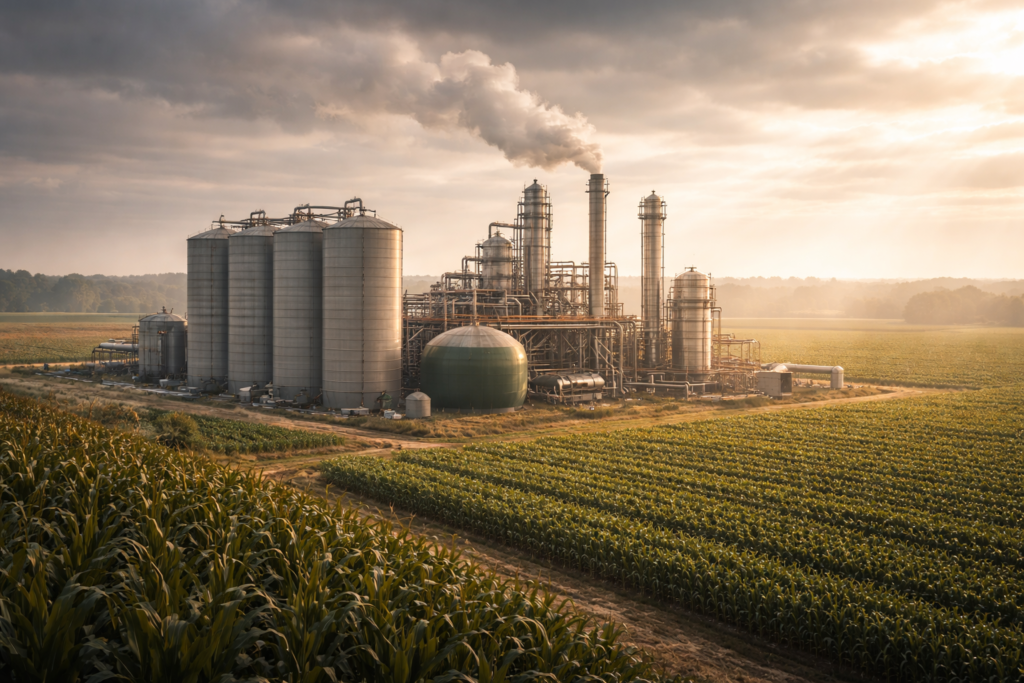
Biofuels are produced from biomass, which includes a wide range of biological materials such as corn, sugarcane, soybeans, and even algae. These materials are processed into fuels like ethanol and biodiesel, which can be used in transportation and energy production. The appeal of biofuels lies in their renewability and their potential to reduce greenhouse gas emissions compared to fossil fuels. Yet, this perspective often focuses narrowly on the combustion phase of the fuel, ignoring the environmental impacts associated with growing, harvesting, and processing the biomass.
To truly understand the ecological implications of biofuels, it is necessary to adopt a systems perspective. This means examining not only the fuel itself but also the land required to grow crops, the water used in irrigation, the fertilizers applied to increase yields, and the broader economic forces that drive agricultural expansion. When viewed through this lens, biofuels become part of a much larger ecological story—one that involves land transformation, biodiversity loss, and changes to atmospheric chemistry.
Land Use Change: The Invisible Driver of Impact
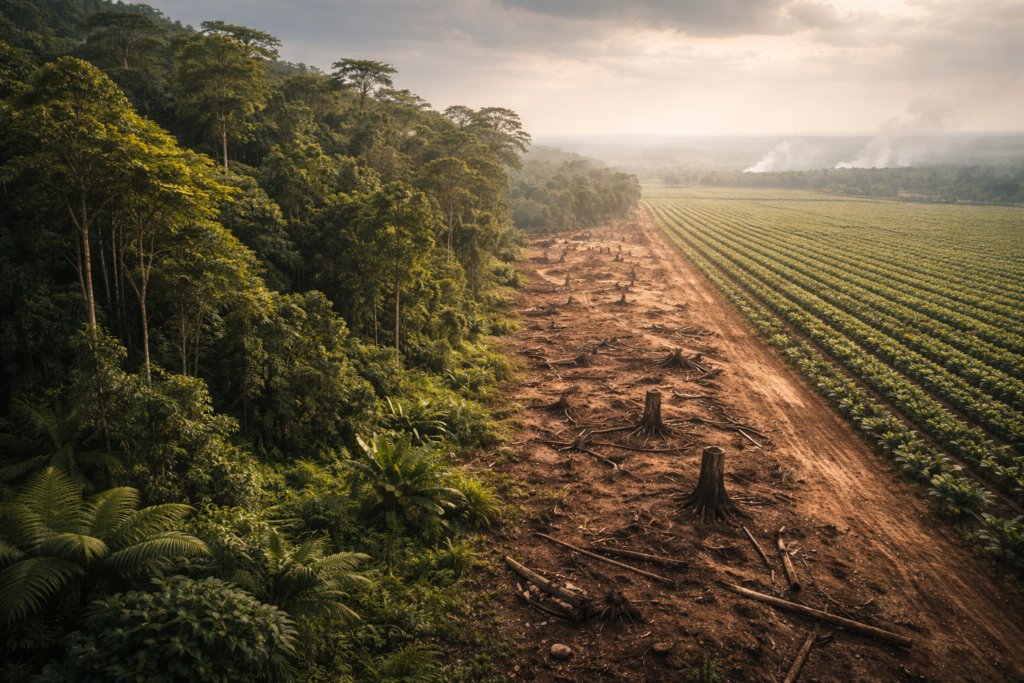
One of the most significant and often overlooked consequences of biofuel production is land use change. In order to grow biofuel crops at scale, vast areas of land must be converted into agricultural fields. This conversion can occur directly, such as when forests or grasslands are cleared to make way for plantations, or indirectly, when existing agricultural land is diverted to biofuel production and new land is cleared elsewhere to compensate for displaced food production.
This process has profound environmental implications. Natural ecosystems such as forests and wetlands store large amounts of carbon in vegetation and soil. When these ecosystems are cleared, that stored carbon is released into the atmosphere, contributing to greenhouse gas emissions. In many cases, the emissions associated with land conversion can outweigh the emissions savings achieved by replacing fossil fuels with biofuels, particularly in the short to medium term.
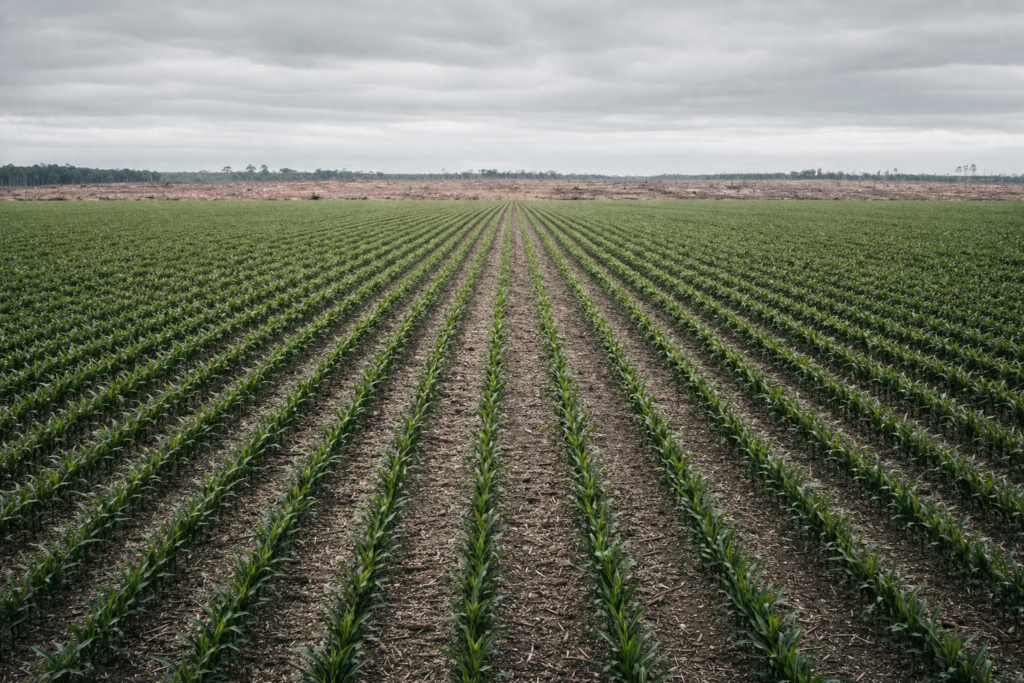
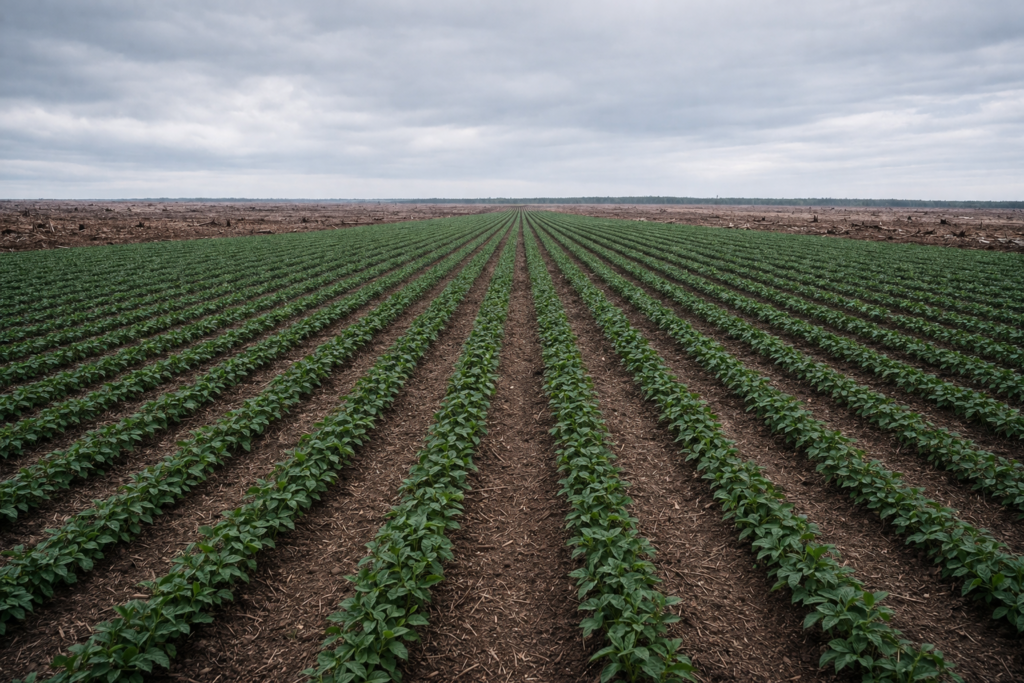
Beyond carbon emissions, land use change also alters the physical structure of landscapes. Diverse ecosystems are replaced with monocultures—large areas planted with a single crop species. These simplified systems lack the complexity and resilience of natural habitats, making them more vulnerable to pests, disease, and environmental stress. As a result, the ecological footprint of biofuel production extends far beyond the fields themselves.

Biodiversity Loss: The Silent Trade-Off
The transformation of natural ecosystems into biofuel plantations has a direct and often devastating impact on biodiversity. Natural habitats support a wide variety of species, each playing a role in maintaining ecological balance. When these habitats are replaced with monocultures, the diversity of life they once supported is dramatically reduced.
This loss of biodiversity is not merely a matter of species disappearing—it has cascading effects throughout ecosystems. Pollinators such as bees and butterflies, which are essential for crop production, decline when their habitats are destroyed. Predators that help control pest populations disappear, leading to increased reliance on chemical pesticides. Soil organisms that contribute to nutrient cycling and soil fertility are also affected, reducing the long-term productivity of the land.
In regions where biofuel expansion has been particularly intense, such as Southeast Asia with oil palm plantations, biodiversity losses have been especially severe. These changes highlight a critical tension at the heart of biofuel production: the pursuit of renewable energy can come at the expense of the very ecosystems that sustain life on Earth.
Want more scenes like this?
Download a curated pack of ultra-realistic images, perfect for wallpapers and inspiration.
Water Systems Under Pressure
Water is another critical resource affected by biofuel production. Many biofuel crops require significant amounts of water, particularly in regions where rainfall is insufficient and irrigation is necessary. This increased demand for water can strain local water supplies, especially in areas already facing water scarcity.
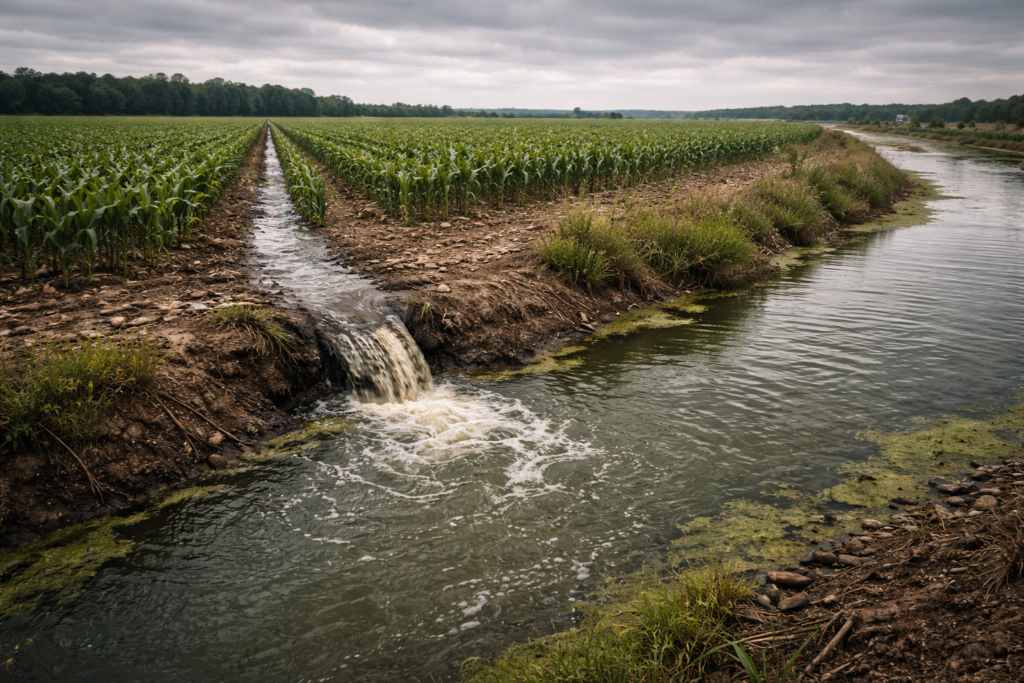
In addition to water quantity, water quality is also a major concern. The use of fertilizers and pesticides in biofuel agriculture leads to runoff that enters rivers, lakes, and coastal waters. This runoff can cause nutrient pollution, which in turn leads to eutrophication—a process where excess nutrients stimulate the growth of algae. When these algae die and decompose, they consume oxygen in the water, creating “dead zones” where aquatic life cannot survive.
These impacts illustrate how biofuel production can extend far beyond agricultural fields, affecting entire watersheds and marine ecosystems. The interconnected nature of ecological systems means that changes in one area can have far-reaching consequences elsewhere.
Want more scenes like this?
Download a curated pack of ultra-realistic images, perfect for wallpapers and inspiration.
Atmospheric Impacts Beyond Carbon
While biofuels are often promoted as a way to reduce carbon dioxide emissions, their effects on the atmosphere are more complex than they initially appear. The production and use of biofuels involve a range of processes that influence atmospheric chemistry, including the release of other greenhouse gases such as nitrous oxide from fertilizers.
Nitrous oxide is particularly concerning because it is a much more potent greenhouse gas than carbon dioxide. Its release from agricultural soils can significantly offset the climate benefits of biofuels. Additionally, biofuel production and combustion can contribute to air pollution by releasing particulate matter and nitrogen oxides, which can affect human health and contribute to the formation of ground-level ozone.
These factors highlight the importance of considering the full range of atmospheric impacts associated with biofuels, rather than focusing solely on carbon emissions. A comprehensive understanding of these impacts is essential for evaluating the true environmental costs and benefits of biofuel production.
Want more scenes like this?
Download a curated pack of ultra-realistic images, perfect for wallpapers and inspiration.
The Food vs Fuel Dilemma
One of the most widely discussed issues surrounding biofuels is their competition with food production. Many of the crops used to produce biofuels, such as corn and soybeans, are also staple food sources. When these crops are diverted to fuel production, it can reduce the availability of food and drive up prices, particularly in global markets.
This competition between food and fuel has significant social and economic implications. Rising food prices can disproportionately affect vulnerable populations, increasing the risk of food insecurity. At the same time, the demand for biofuel crops can incentivize the expansion of agriculture into new areas, further contributing to land use change and environmental degradation.
The food vs fuel debate underscores the complexity of biofuel systems, where decisions made in one domain can have ripple effects across multiple sectors. Balancing the need for renewable energy with the need for food security remains one of the key challenges in this field.
Life Cycle Thinking: Seeing the Full Picture
To accurately assess the environmental impact of biofuels, scientists use a method known as life cycle assessment (LCA). This approach evaluates all stages of a product’s life, from raw material extraction to production, use, and disposal. In the case of biofuels, this includes everything from growing crops to processing fuel and burning it.
Life cycle assessments have revealed that the environmental performance of biofuels varies widely depending on how they are produced. Some biofuels, particularly those derived from waste materials or grown on degraded land, can offer genuine environmental benefits. Others, especially those associated with significant land use change, may have a larger environmental footprint than the fossil fuels they are intended to replace.
This variability highlights the importance of context in evaluating biofuels. There is no one-size-fits-all answer—each biofuel system must be assessed based on its specific characteristics and impacts.

Toward More Sustainable Biofuel Systems
Despite the challenges associated with biofuels, there are pathways toward more sustainable production. One promising approach is the use of second-generation biofuels, which are derived from non-food sources such as agricultural residues, forestry waste, and dedicated energy crops grown on marginal land. These sources can reduce competition with food production and minimize the need for land conversion.
Advances in technology also offer new opportunities for improving the efficiency and sustainability of biofuel production. For example, algae-based biofuels have the potential to produce high yields with relatively low land use, although they are still in the early stages of development.
Ultimately, the sustainability of biofuels will depend on careful management and policy decisions. Protecting natural ecosystems, improving agricultural practices, and prioritizing low-impact feedstocks are all essential steps in reducing the ecological footprint of biofuels.
Want more scenes like this?
Download a curated pack of ultra-realistic images, perfect for wallpapers and inspiration.
Conclusion: Rethinking Renewable Energy
The story of biofuels is a powerful reminder that environmental solutions are rarely simple. While biofuels offer the promise of renewable energy and reduced reliance on fossil fuels, they also introduce a complex set of ecological trade-offs. Land use change, biodiversity loss, water impacts, and atmospheric effects all play a role in shaping the overall environmental impact of biofuels.
Rather than asking whether biofuels are inherently good or bad, the more meaningful question is how they can be produced in a way that minimizes harm and maximizes benefits. This requires a holistic understanding of ecological systems and a willingness to consider the full range of impacts associated with energy production.
As the world continues to transition toward more sustainable energy sources, the lessons learned from biofuels will be invaluable. They remind us that in a deeply interconnected world, every solution must be evaluated not just in isolation, but within the broader context of the natural systems that sustain life.
* Product images and prices may vary slightly from the actual item on Amazon
This article may contain affiliate links. If you purchase through these links, I may earn a small commission at no additional cost to you. I only recommend products that are relevant and applicable.