
Nature often appears spontaneous. Forests regrow after fire, rivers reshape landscapes after floods, and grasslands recover after drought as though ecosystems are endlessly resetting themselves. But beneath these visible changes lies something much more complex. Ecosystems do not simply react to the present moment. In many ways, they carry memories of the past.
This idea, known as ecological memory, has become one of the most fascinating concepts in modern ecology. The Annual Review article explores how ecosystems store information from previous environmental conditions and disturbances, allowing past events to shape present and future responses. Forests remember fire. Wetlands remember floods. Even soils carry traces of past climates, species interactions, and biological activity. (annualreviews.org)
Once you begin to understand ecological memory, ecosystems stop looking like temporary collections of organisms reacting randomly to change. Instead, they begin to resemble living archives—systems shaped by accumulated experience across time.
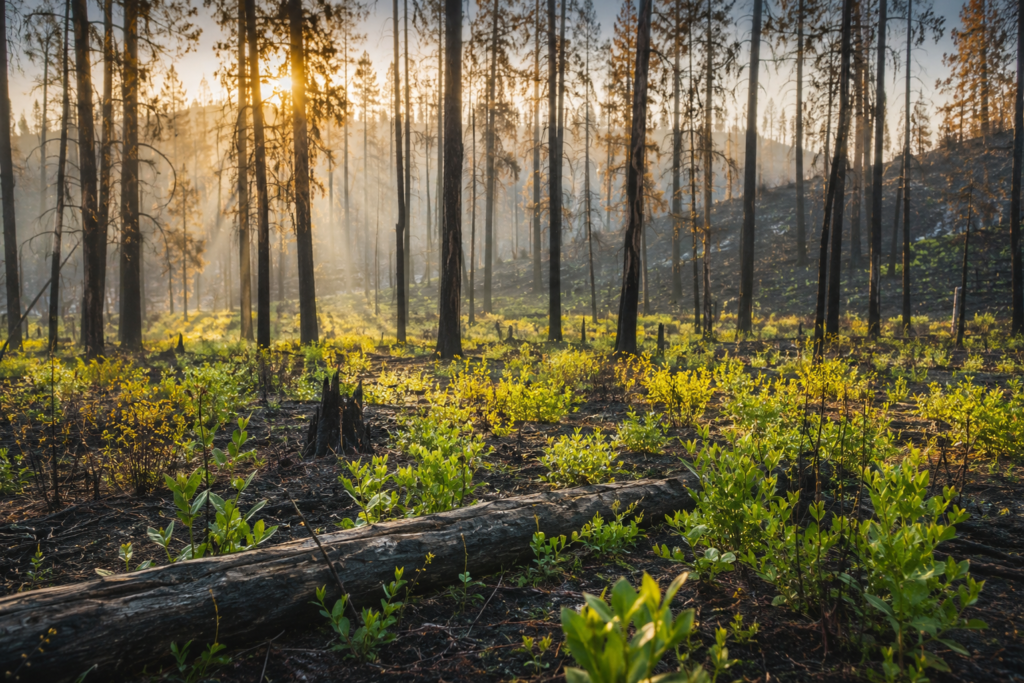
The idea itself is surprisingly intuitive. Human societies are shaped by history. Landscapes are shaped by geological history. Ecosystems work in much the same way. Every disturbance, climate shift, migration event, or evolutionary adaptation leaves traces behind. Those traces influence how ecosystems respond when future changes occur.
This means that resilience in nature is rarely accidental. When ecosystems recover after disturbance, they often do so because remnants of the previous system remain intact. Seeds buried beneath soil survive droughts and fires. Fungal networks persist underground. Nutrients remain stored in roots and organic matter. Species adapted to recurring disturbances rebound more quickly than species encountering entirely unfamiliar conditions.
Ecological memory explains why two ecosystems exposed to the same environmental stress can respond in completely different ways. A forest shaped by centuries of periodic fire behaves differently from a forest where fire has historically been rare. Grasslands adapted to grazing recover differently than systems suddenly exposed to disturbance for the first time. The past quietly shapes the future.

One of the most important insights from the research is that ecological memory exists across multiple scales simultaneously. Some forms of memory are biological, carried within species traits and population structures. Others are physical, embedded within soil composition, nutrient availability, and landscape structure. Even species interactions themselves create forms of ecological memory. Pollinators, predators, fungi, and microbial communities all contribute to how ecosystems function over time.
Soil, in particular, acts as one of nature’s most powerful memory systems. Beneath the surface lies an extraordinary archive of ecological information. Seeds can remain dormant for years waiting for favourable conditions. Nutrients from previous vegetation cycles remain stored within organic matter. Fungal networks continue exchanging resources between plants long after environmental conditions have changed. Even slight variations in soil moisture can dramatically influence which species thrive and which struggle.
This hidden complexity becomes surprisingly obvious even at small scales. Many people who grow plants quickly realise that soil conditions are rarely as uniform as they appear. A tool like the XLUX Soil Moisture Meter reveals how dramatically moisture levels can vary within the same container or garden bed. In natural ecosystems, these subtle differences influence seed germination, plant competition, microbial activity, and long-term ecological recovery.

The review emphasises that disturbances are not simply destructive events. In many ecosystems, disturbance is an essential ecological process. Fire, flooding, storms, and grazing have shaped ecosystems for thousands of years. Species evolve alongside these recurring patterns and often become dependent on them.
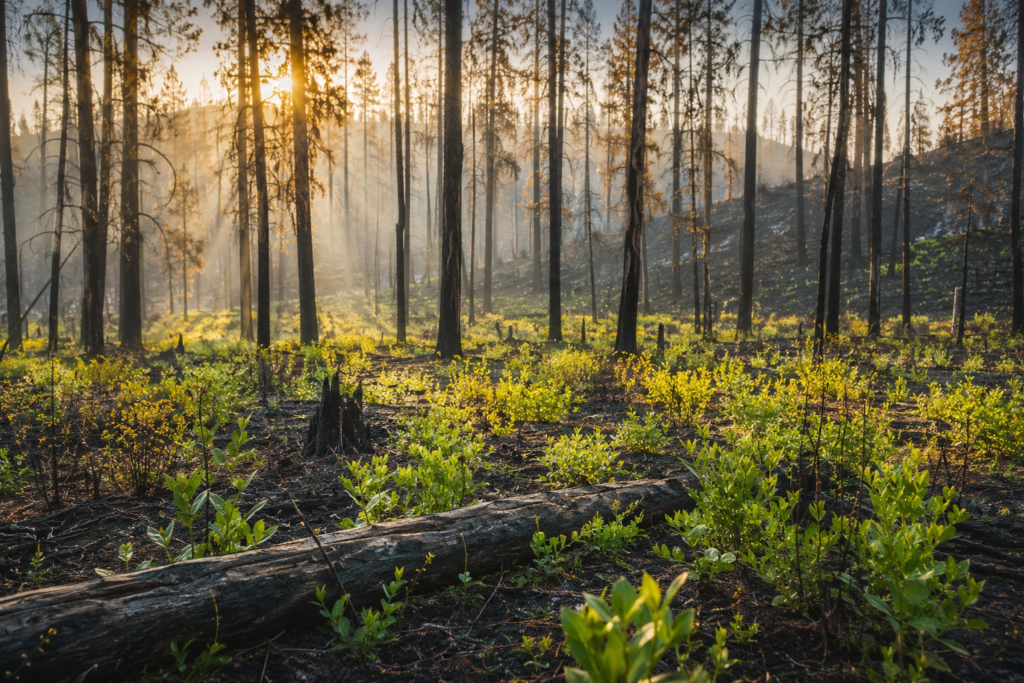
Some forests, for example, require periodic fire to maintain ecological balance. Certain plant species only release seeds after exposure to intense heat. Others regenerate rapidly in nutrient-rich ash left behind after burning. Grasslands shaped by grazing pressure may decline if grazing disappears entirely. What appears destructive from a human perspective may actually be part of the ecosystem’s long-term memory and stability.
This changes how we think about resilience. Ecosystems are resilient not because they resist change completely, but because they retain enough memory of previous states to reorganise after disturbance. Recovery depends on what remains behind. A forest stripped of its soil structure, seed banks, and microbial communities may recover very differently from a forest where these ecological legacies remain intact.
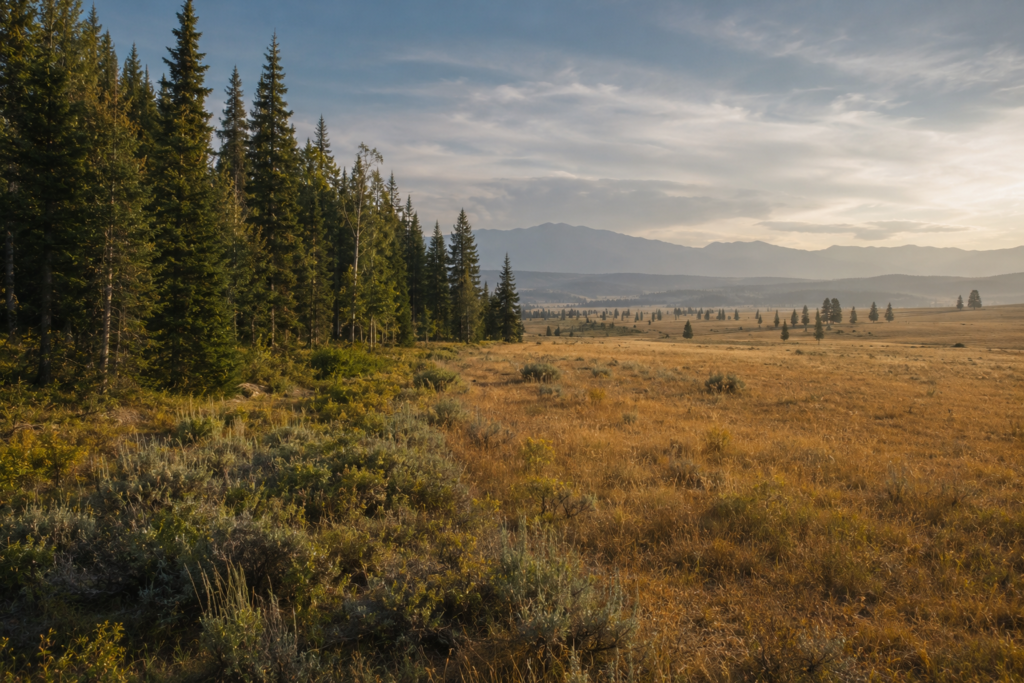
The concept of ecological legacies is central to understanding ecological memory. Disturbances rarely erase ecosystems completely. Instead, remnants persist and guide future recovery. Fallen logs create habitats for fungi and insects. Surviving trees provide seeds for regrowth. Underground root systems continue storing energy. These biological remnants act as ecological anchors connecting past ecosystems to future ones.
This perspective has transformed restoration ecology. Scientists increasingly recognise that successful restoration is not simply about replanting vegetation. It is about preserving or rebuilding ecological memory itself. Restoring soils, microbial communities, hydrology, and species interactions is often more important than focusing on individual species alone.
Climate change makes these ideas even more important. Historically, ecosystems adapted to disturbances occurring within relatively stable environmental ranges. Fires, floods, and droughts happened repeatedly over long timescales, allowing species and ecosystems to evolve strategies for coping with them. Today, however, climate change is altering both the frequency and intensity of disturbances.
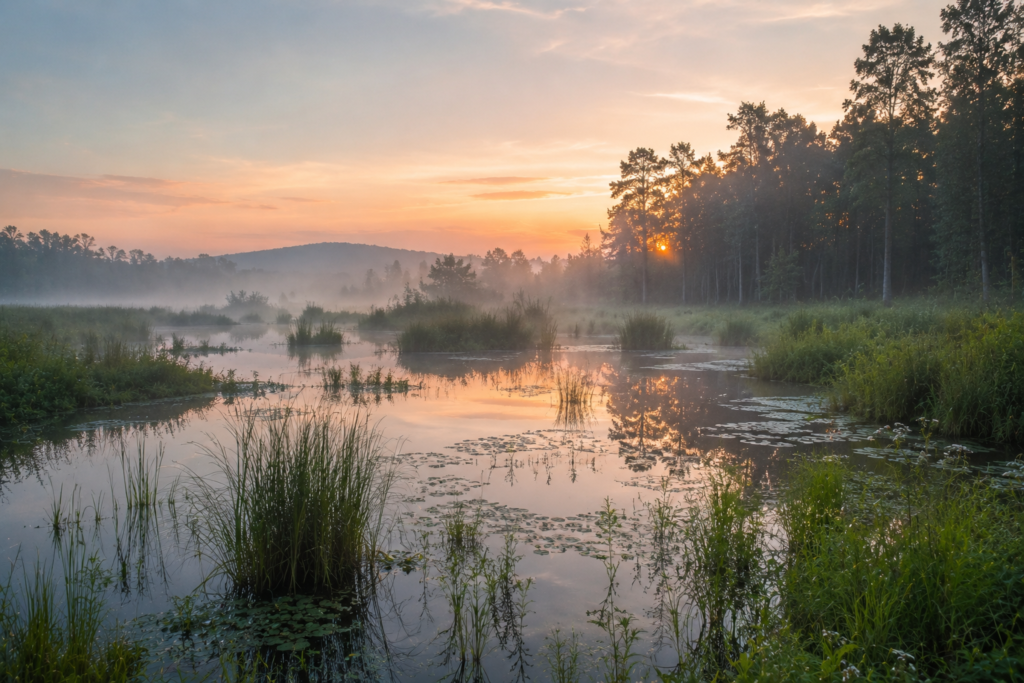
Droughts are becoming longer and more severe. Wildfires are increasing in scale and intensity. Storm systems are shifting in unpredictable ways. Ecosystems that once relied on historical disturbance patterns are now experiencing conditions outside the range of their ecological memory.
This creates a dangerous mismatch. Ecological memory can buffer ecosystems against change, but only up to a point. When environmental conditions move beyond historical ranges, ecosystems may lose the resilience that once allowed them to recover.
The article highlights how ecosystems can cross critical thresholds where recovery becomes increasingly difficult. A forest repeatedly exposed to unusually severe fires may eventually lose the seed sources and soil conditions necessary for regrowth. Coral reefs stressed by warming oceans may shift into algae-dominated systems. Grasslands exposed to prolonged drought may transition into shrublands or deserts.
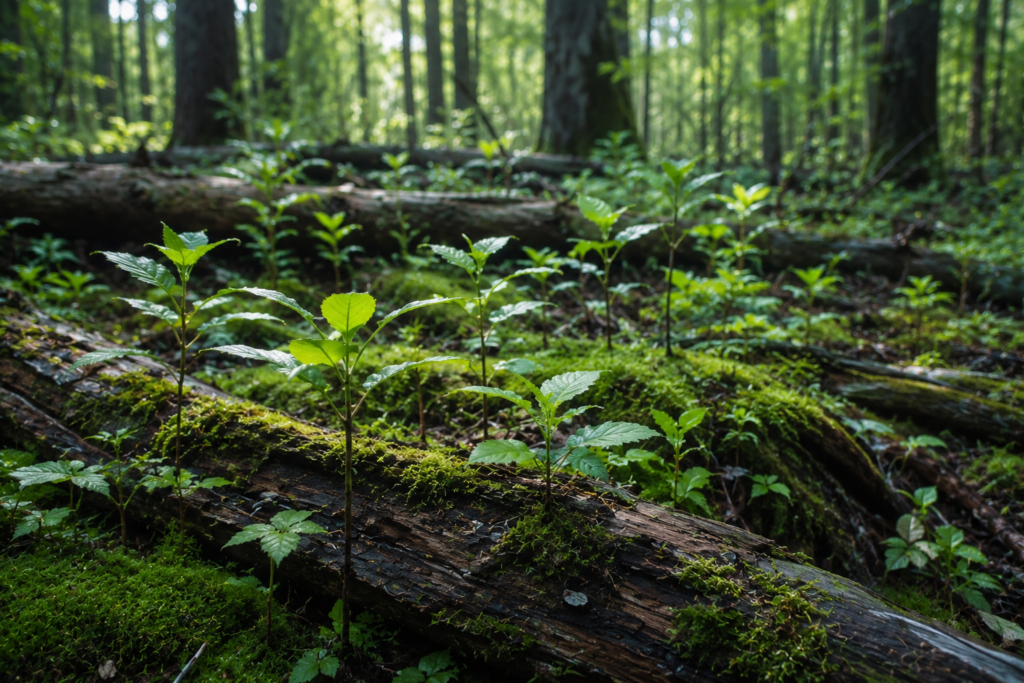
What makes these transitions so significant is that they are often difficult to reverse. Once ecological memory is lost, rebuilding it can take decades or centuries.
Biodiversity itself functions as a form of ecological memory. Diverse ecosystems contain multiple species with different responses to environmental stress. Some tolerate drought. Others recover quickly after fire. Some stabilise soils or regulate nutrient cycling. The more biodiversity an ecosystem contains, the more ecological “strategies” it stores.
This diversity increases resilience because ecosystems are not dependent on a single species or response pathway. In many ways, biodiversity acts like a portfolio of survival options accumulated through evolutionary history.

The same ecological principles become visible even in small-scale environments. Anyone who has grown plants indoors quickly notices how environmental history shapes growth patterns over time. Plants exposed to different lighting conditions develop different structures, growth rates, and competitive abilities. Using something like the LBW Full Spectrum LED Grow Light with Stand makes these differences remarkably obvious, especially during early growth stages.
These small examples mirror much larger ecological processes occurring across forests, wetlands, and grasslands. Ecosystems are constantly shaped by accumulated environmental experience.
Ecological memory also exists through interactions between organisms. Fungi exchange nutrients between trees through underground mycorrhizal networks. Predators regulate prey populations in ways that shape vegetation patterns. Herbivores influence plant diversity through selective grazing. Microbial communities alter nutrient availability and decomposition rates.
These interactions create feedback loops that reinforce ecosystem structure over time. Ecosystems are not simply collections of species existing side by side. They are interconnected systems continuously modifying themselves.
Human activity increasingly disrupts these memory systems. Deforestation, intensive agriculture, urbanisation, and pollution remove the biological and physical structures ecosystems rely on for resilience. Soil degradation destroys microbial communities and nutrient cycles. Habitat fragmentation interrupts migration patterns and species interactions. Climate change pushes ecosystems beyond historical environmental limits.
The result is not simply biodiversity loss. It is the erosion of ecological memory itself.

This is one reason why restoration projects often struggle. Replanting trees alone does not automatically restore ecosystem function. If soil systems, microbial communities, and hydrological processes have been disrupted, ecosystems may not recover their previous resilience.
Interestingly, many ecological principles appear in the ways humans organise their own environments. Natural systems rely on structure, layering, and functional diversity. People often instinctively recreate these patterns indoors. Something as simple as the Simple Houseware Bamboo Desk Organizer reflects the broader ecological principle that organised systems function more efficiently than chaotic ones.
Similarly, creating layered plant environments using the AIMALL 2 Tier Bamboo Plant Stand mirrors how natural ecosystems create vertical structure and environmental variation. Even small differences in height, airflow, and light exposure can influence plant growth and interaction patterns.

Starting plants from seeds also offers a surprisingly clear window into ecological memory and environmental influence. Using a MIXC Seed Starter Tray Kit with Humidity Dome demonstrates how small differences in moisture, temperature, and humidity can shape development from the earliest stages of life. The same processes occurring inside a seed tray operate across entire ecosystems at much larger scales.
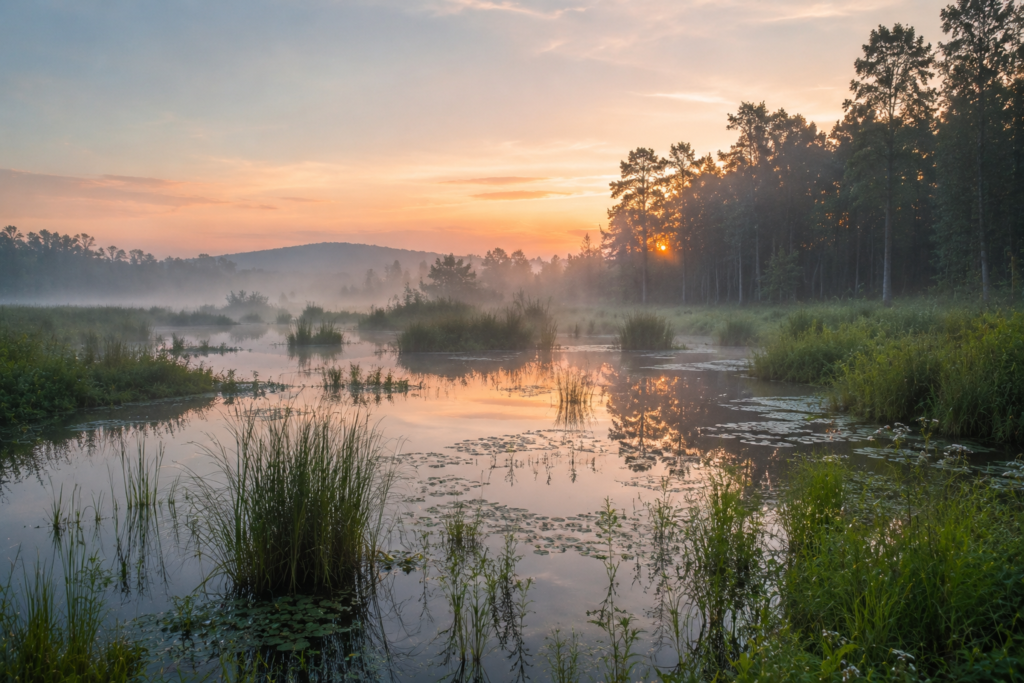
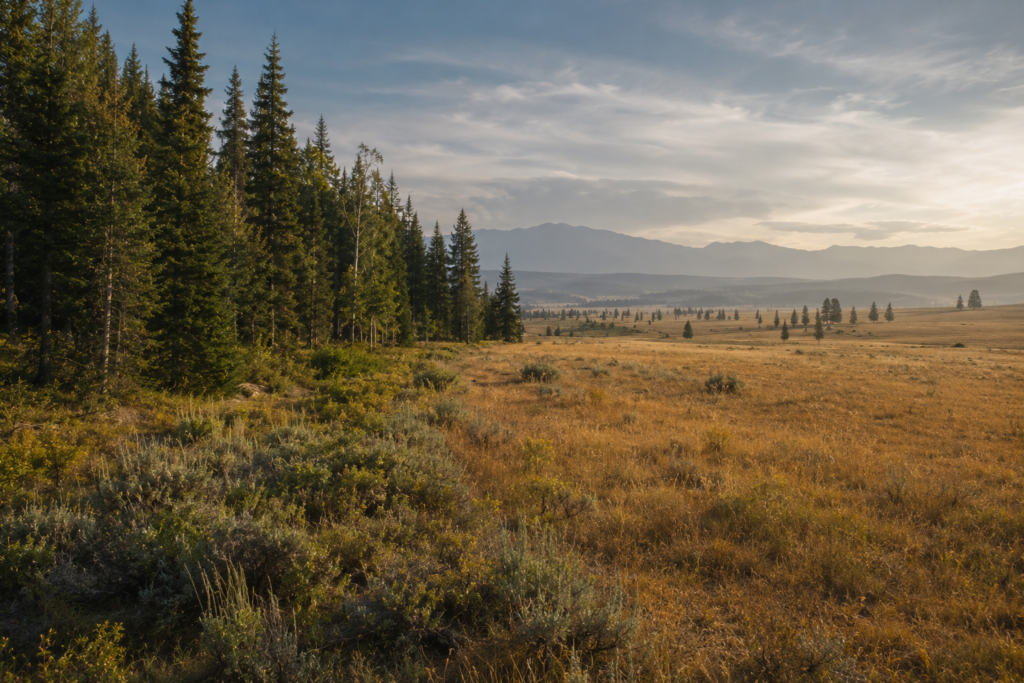
One of the most profound ideas emerging from ecological memory research is that ecosystems are not static objects existing in the present moment. They are dynamic histories. Every forest carries traces of previous fires, storms, and climate conditions. Every wetland reflects past flooding patterns. Every grassland contains legacies of grazing, drought, and species interactions accumulated across time.
The present state of nature cannot be understood without understanding the past.
This perspective fundamentally changes conservation biology. Protecting ecosystems is not simply about preserving what exists today. It is about preserving the ecological memory systems that allow ecosystems to adapt, recover, and persist into the future.
As environmental change accelerates, understanding ecological memory may become one of the most important challenges in ecology. Scientists are increasingly studying how ecosystems store information, how resilience emerges, and what causes systems to lose the capacity for recovery.
These questions are no longer purely theoretical. They influence how societies manage forests, restore degraded landscapes, conserve biodiversity, and respond to climate change.
Ecological memory reveals that nature is far more interconnected and historically grounded than it first appears. Ecosystems do not simply respond to the present. They carry the accumulated influence of countless previous conditions, disturbances, and interactions.
The natural world is not constantly starting over. It is continuously remembering.