
For many people, working in conservation sounds like a dream job. The idea of spending your days surrounded by forests, mountains, wetlands, beaches, and wildlife seems far removed from office life. Social media often reinforces this image, showing researchers photographing koalas, releasing turtles, or hiking through spectacular national parks. While those moments certainly exist, the reality of conservation work is far more varied—and far more fascinating—than most people realise.
A career in conservation combines science, technology, fieldwork, problem-solving, communication, and long-term planning. No two days are exactly alike. One week may involve hiking through remote forests surveying endangered species, while the next could be spent analysing satellite imagery, writing environmental reports, or meeting with landholders to discuss habitat restoration. It is a profession that demands curiosity, resilience, and a genuine passion for understanding how natural systems work.
A typical field day often begins before sunrise. Early mornings provide the best conditions for observing wildlife because many species are most active during the cooler hours of the day. Conservation scientists and ecologists frequently leave long before most people are awake, loading vehicles with equipment before heading towards national parks, conservation reserves, farmland, wetlands, or remote bushland. Depending on the project, reaching survey sites may involve several hours of driving followed by long walks carrying backpacks full of field equipment.
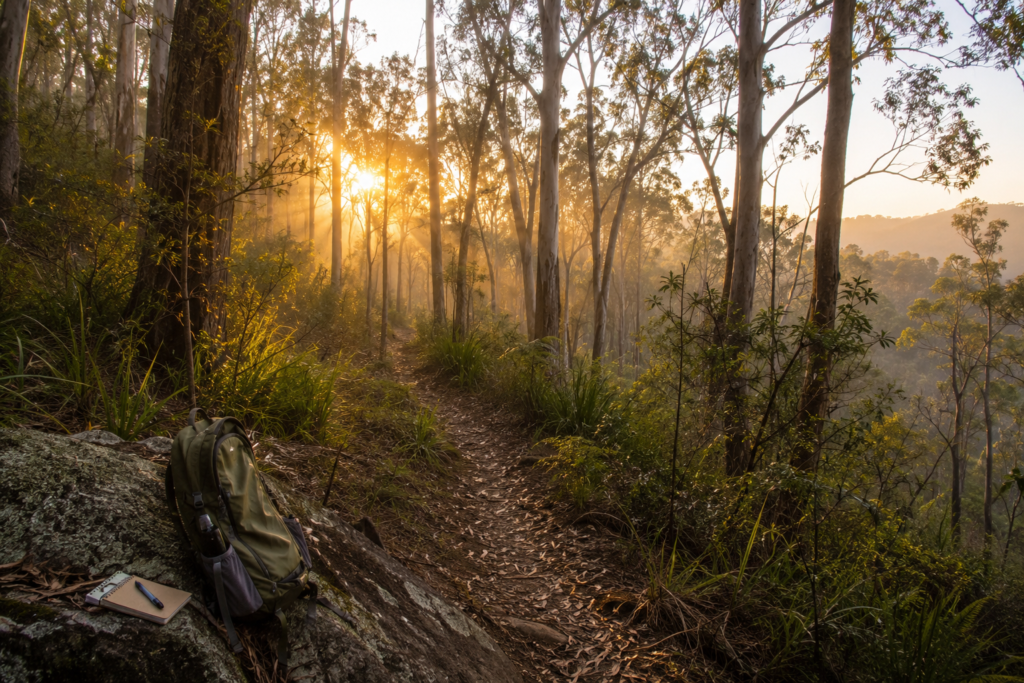
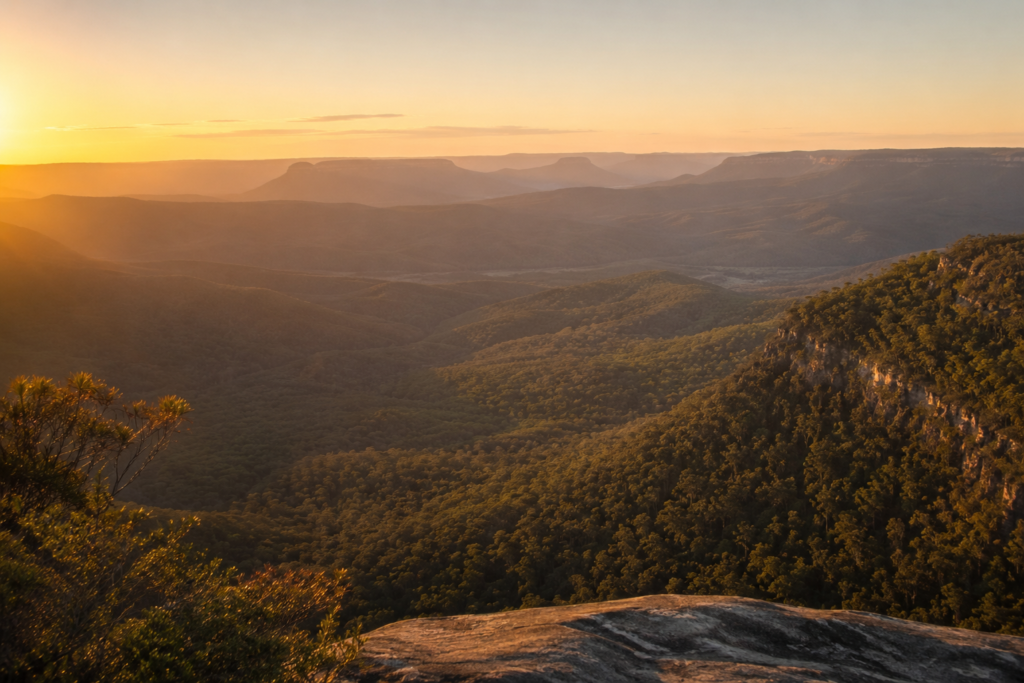
The landscapes themselves are constantly changing. One day may involve dense rainforest where humidity hangs in the air beneath towering trees. Another could mean climbing rocky escarpments overlooking vast valleys or walking through open grasslands under an endless blue sky. Coastal surveys may begin with sunrise over the ocean, while inland projects often start beneath cool morning mist drifting across eucalyptus forests.
One of the first tasks on many surveys is simply observing. Conservation is built upon careful observation. Researchers record plant communities, identify habitat features, map vegetation, search for threatened species, and document environmental conditions. Much of this work appears surprisingly quiet. There are long periods of walking, listening, and scanning landscapes that outsiders might mistake for leisurely hiking. In reality, every observation contributes valuable scientific information used to understand ecosystems.
Modern conservation relies on an extraordinary range of technology. GPS units record survey locations with high accuracy. Drones capture aerial imagery of inaccessible landscapes. Geographic Information Systems (GIS) help scientists analyse vegetation patterns across entire regions. Camera traps quietly photograph wildlife moving through forests at night, while acoustic recorders capture bird calls, frog choruses, and bat echolocation long after researchers have left the site.
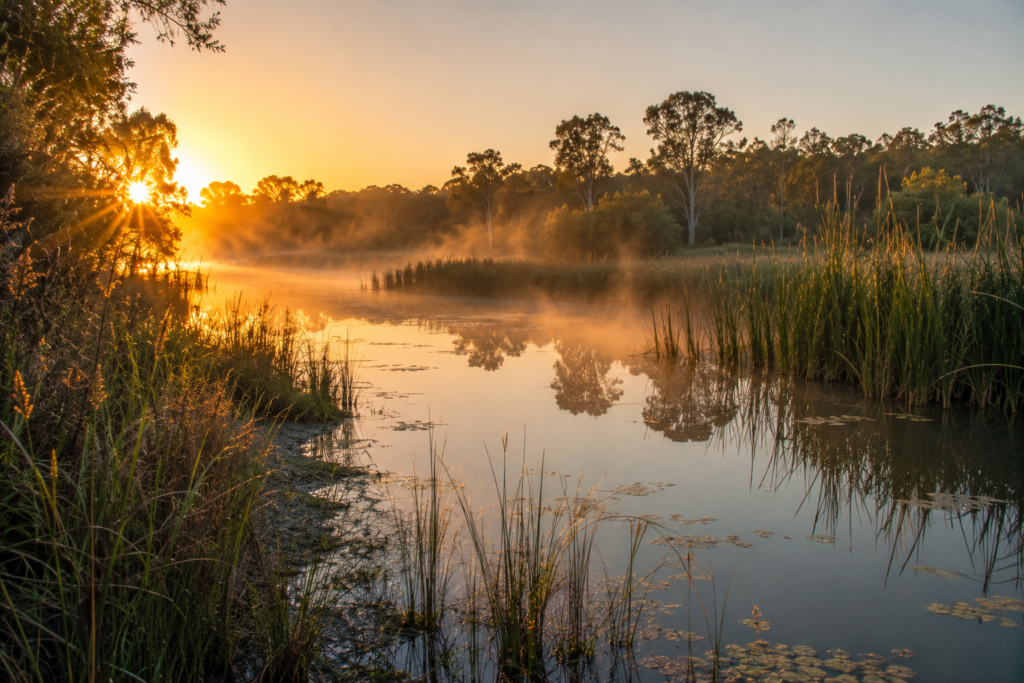
Yet despite advances in technology, one of the most important tools remains human knowledge. Experienced ecologists often notice subtle environmental clues that computers cannot easily detect. A particular tree species may indicate specific soil conditions. Certain birds may signal healthy habitat nearby. The presence of flowering plants can reveal seasonal ecological changes that help explain wildlife behaviour.
Plant identification is a major part of many conservation jobs. Learning to distinguish hundreds of native species takes years of practice. At first glance, many forests appear filled with similar trees, but experienced botanists immediately recognise differences in bark texture, leaf shape, flowers, fruit, and growth form. Understanding plant communities provides the foundation for interpreting entire ecosystems because vegetation influences everything from soil processes to wildlife habitat.
Wildlife surveys are equally varied. Depending on the project, researchers may search for mammals, reptiles, amphibians, birds, insects, or fish. Sometimes animals appear immediately. Other times, entire days pass without seeing the target species. Conservation requires patience because nature rarely follows predictable schedules.
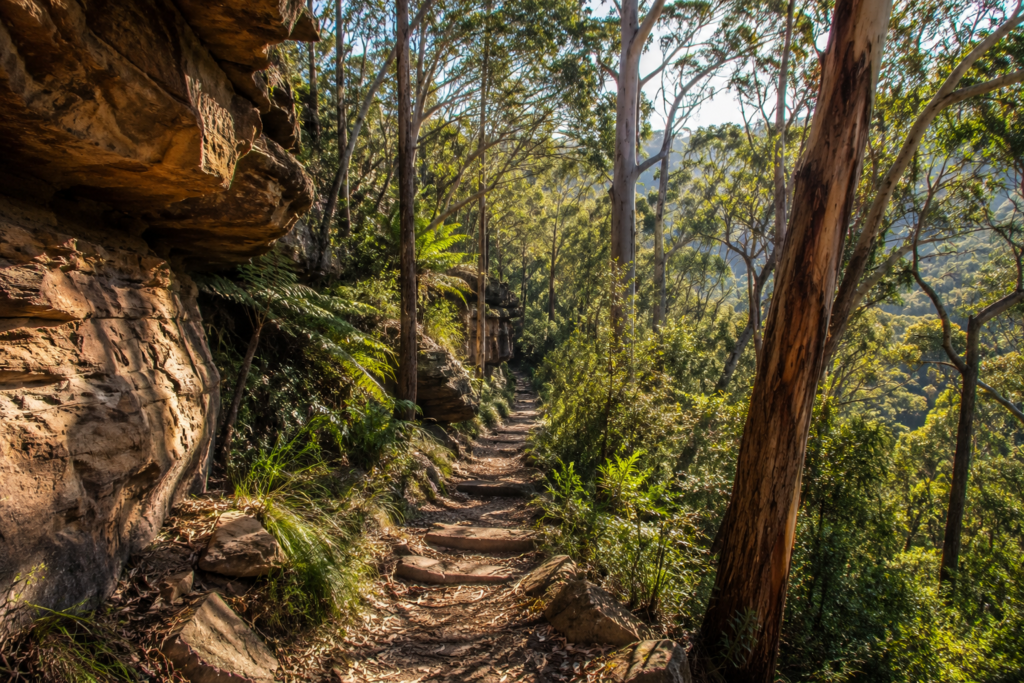
Ironically, some of the most exciting moments happen when nothing appears to be happening. Standing quietly within a forest for twenty minutes often reveals sounds and movement that would otherwise go unnoticed. A distant lyrebird calling through the trees, the rustle of a wallaby disappearing into dense undergrowth, or the sudden appearance of a soaring eagle can completely change the day.
Fieldwork also means adapting to unpredictable conditions. Weather shifts quickly. Tracks become muddy after rain. Equipment occasionally fails. Surveys may be postponed because of bushfire risk, flooding, or extreme heat. Conservation scientists quickly learn that flexibility is just as important as technical knowledge.
Many people imagine conservation as constant adventure, but office work is equally important. After returning from the field, researchers often spend days processing data, identifying photographs, analysing survey results, producing vegetation maps, reviewing scientific literature, and writing reports. These reports help governments, developers, conservation organisations, and land managers make informed decisions about protecting biodiversity.
The writing component surprises many people entering the profession. Good conservation depends on communicating scientific information clearly. Field observations become valuable only when carefully documented and interpreted. Reports explain ecological significance, assess environmental impacts, recommend management actions, and summarise findings that may influence conservation decisions for years to come.
Conservation is also highly collaborative. Ecologists regularly work alongside botanists, zoologists, hydrologists, Indigenous rangers, GIS specialists, landholders, engineers, park managers, and community groups. Protecting ecosystems requires multiple perspectives because environmental challenges rarely involve only one discipline.
Increasingly, conservation also involves working with local communities. Farmers restore native vegetation along waterways. Volunteers remove invasive weeds. Citizen scientists monitor bird populations. Indigenous communities contribute traditional ecological knowledge developed over thousands of years of living with the landscape. Successful conservation often emerges through cooperation rather than regulation alone.
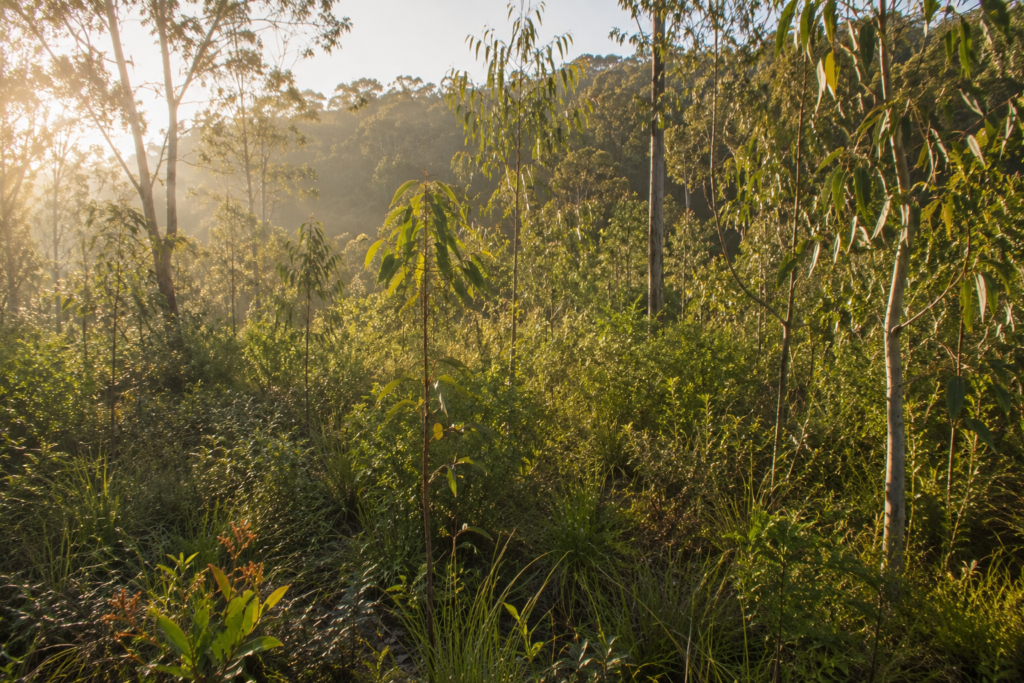
Technology continues transforming the profession. Satellite imagery now reveals habitat changes across entire landscapes. Environmental DNA allows researchers to detect species simply by analysing water or soil samples. Artificial intelligence assists with identifying animals from camera trap images and recognising bird calls from thousands of hours of audio recordings. These innovations allow scientists to answer ecological questions that would have seemed impossible only a decade ago.
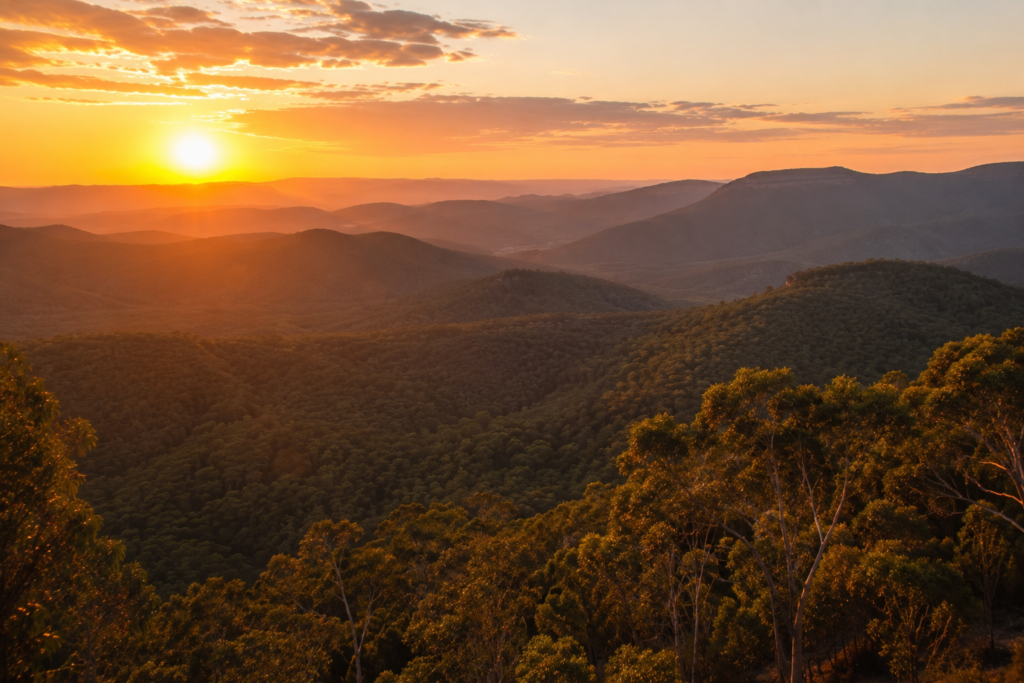
Despite these advances, spending time outdoors remains one of the most rewarding aspects of the job. Watching the sunrise from a remote ridgeline before beginning a survey, walking through forests untouched by development, or discovering a rare orchid hidden beneath dense vegetation are experiences few careers can offer. These moments remind conservation professionals why their work matters.
Many people interested in conservation begin exploring nature long before entering the profession. A pair of Nikon PROSTAFF P7 Binoculars is invaluable for learning bird identification and observing wildlife without causing disturbance. Spending time outdoors building observation skills often provides the best introduction to ecological thinking.
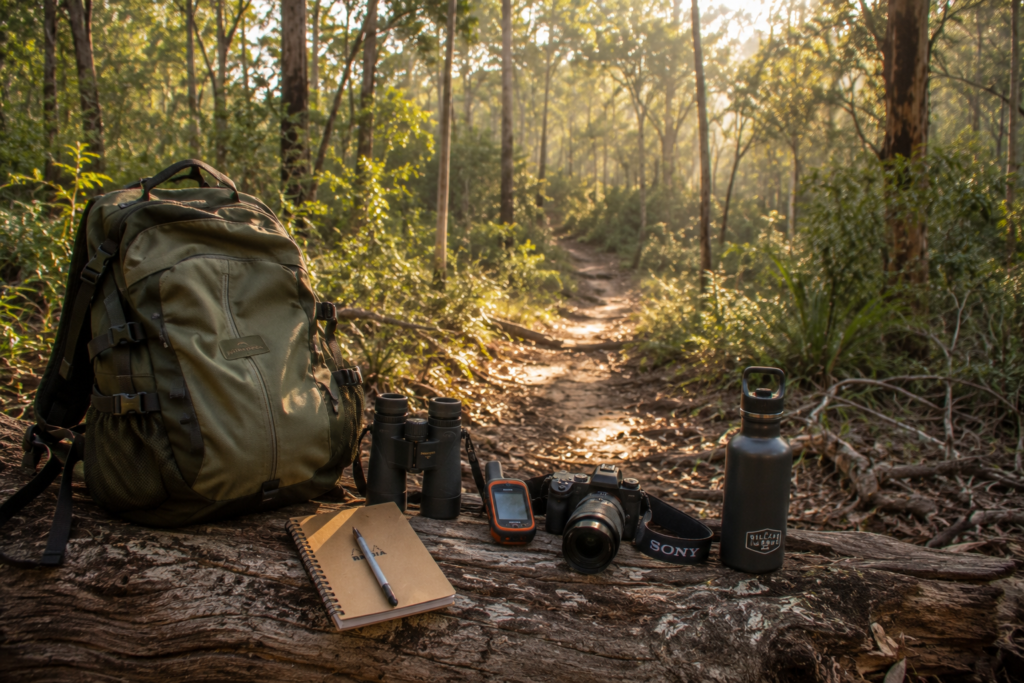
Photography has also become an important conservation tool. High-quality images document habitats, species, and environmental change while helping communicate scientific stories to broader audiences. The Canon EOS R50 Mirrorless Camera is popular among nature photographers because it combines portability with excellent image quality, making it ideal for field conditions.
Good field equipment makes a significant difference during long survey days. Carrying water, notebooks, GPS units, cameras, and safety gear over rough terrain becomes much easier with a comfortable backpack such as the Osprey Talon 22 Hiking Backpack, which is widely used for day hikes and outdoor fieldwork.
Understanding species identification is another skill that develops over time. Resources like the National Audubon Society Field Guide to North American Birds or regional field guides help beginners recognise common wildlife and understand ecological relationships. Every experienced ecologist started by learning one species at a time.
Many conservation professionals also develop an interest in restoring native habitats around their own homes. Starting native plants from seed using the MIXC Seed Starter Tray Kit with Humidity Dome offers practical insight into plant growth while supporting local biodiversity through habitat gardening.
Perhaps the biggest misconception about conservation is that it is solely about saving animals. In reality, conservation is about maintaining the processes that allow ecosystems to function. Healthy rivers, forests, wetlands, grasslands, coral reefs, soils, fungi, insects, and microbes all contribute to ecological resilience. Every species forms part of a much larger network, and understanding those relationships lies at the heart of modern conservation science.
The profession also offers hope. Around the world, restored wetlands are supporting returning bird populations. Native forests are regenerating. Threatened species are recovering through dedicated management programs. Rivers are being restored, and degraded landscapes are slowly returning to life. Conservation is not simply about preventing loss. It is increasingly about rebuilding ecosystems and helping nature recover.
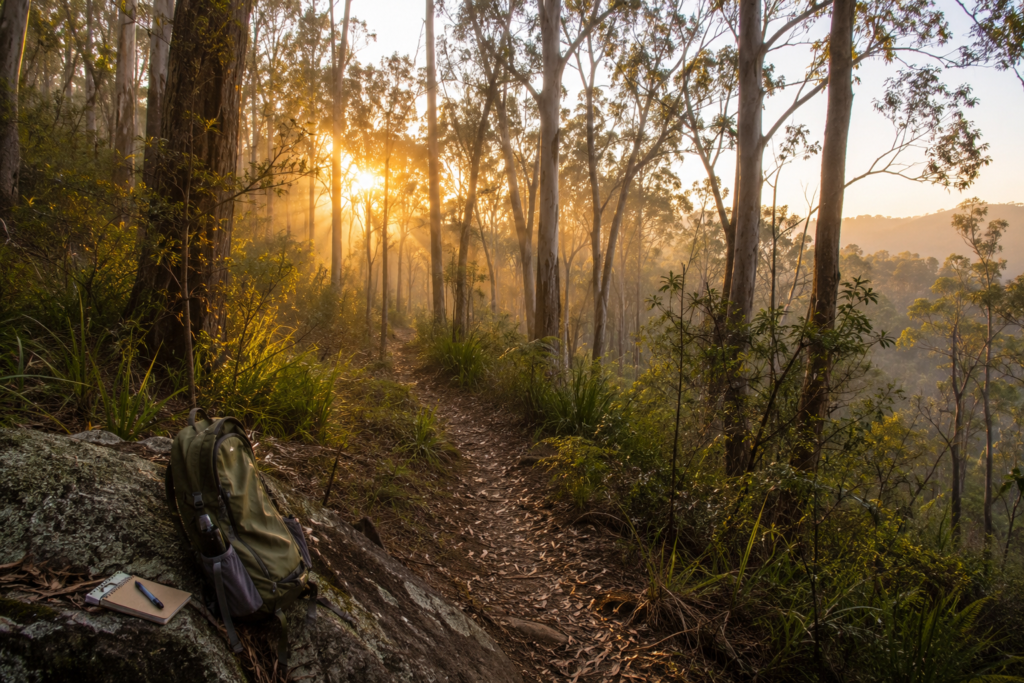
Working in conservation means witnessing these successes firsthand. It means seeing landscapes not simply as scenery, but as living systems full of interactions that most people never notice. Every survey, every report, and every restoration project contributes another small piece to understanding and protecting the extraordinary natural world.
For those who love science, wildlife, and spending time outdoors, few careers offer such a unique combination of exploration, discovery, and purpose. While the work can be physically demanding and sometimes challenging, it provides something many people spend their entire careers searching for—the opportunity to make a genuine difference while experiencing some of the most remarkable places on Earth.