
Introduction
If you’ve spent any time watching the news over the past few years, you’ve probably noticed that stories about the environment are becoming increasingly common. Headlines about coral bleaching on the Great Barrier Reef, devastating bushfires across Australia, declining bee populations, disappearing forests, plastic pollution in our oceans and endangered wildlife now appear almost every week. While each of these issues may seem separate, they are all connected by one underlying theme: the rapid decline of biodiversity.
Biodiversity is the foundation of life on Earth. It encompasses every living organism, from the microscopic bacteria that recycle nutrients in the soil to the towering eucalyptus forests that provide homes for koalas, gliders and thousands of other species. It includes the fish that inhabit coral reefs, the insects that pollinate our crops, the fungi that decompose fallen leaves, and the birds that spread seeds across landscapes. Every organism plays a role within an ecosystem, and together these countless interactions create the natural systems that make life on our planet possible.
Despite its importance, biodiversity is disappearing at an alarming rate. Scientists now agree that the Earth is experiencing one of the most significant periods of species loss in its history. Unlike previous mass extinctions caused by volcanic eruptions or asteroid impacts, this one is largely driven by human activity. Habitat destruction, climate change, pollution, invasive species and unsustainable resource use are placing enormous pressure on ecosystems across the globe. Many species are declining faster than conservation efforts can protect them, while others are disappearing before they have even been formally discovered by science.
For many people, biodiversity loss can feel like a distant issue that only affects national parks, tropical rainforests or endangered animals featured in documentaries. The reality is very different. Healthy ecosystems support almost every aspect of modern life. They provide the clean air we breathe, filter the water that flows into our homes, produce the food we eat, regulate our climate, protect communities from floods and storms, and even contribute to our mental wellbeing. When biodiversity declines, these natural systems become less resilient, creating consequences that extend far beyond wildlife conservation.
Australia provides one of the clearest examples of both the beauty and fragility of biodiversity. As one of the world’s most biologically unique countries, Australia is home to thousands of species that exist nowhere else on Earth. From the ancient rainforests of Queensland to the vast deserts of the interior and the colourful coral reefs that surround our coastline, Australian ecosystems have evolved in isolation for millions of years. This remarkable natural heritage is something many Australians are proud of, yet it is also increasingly under threat.
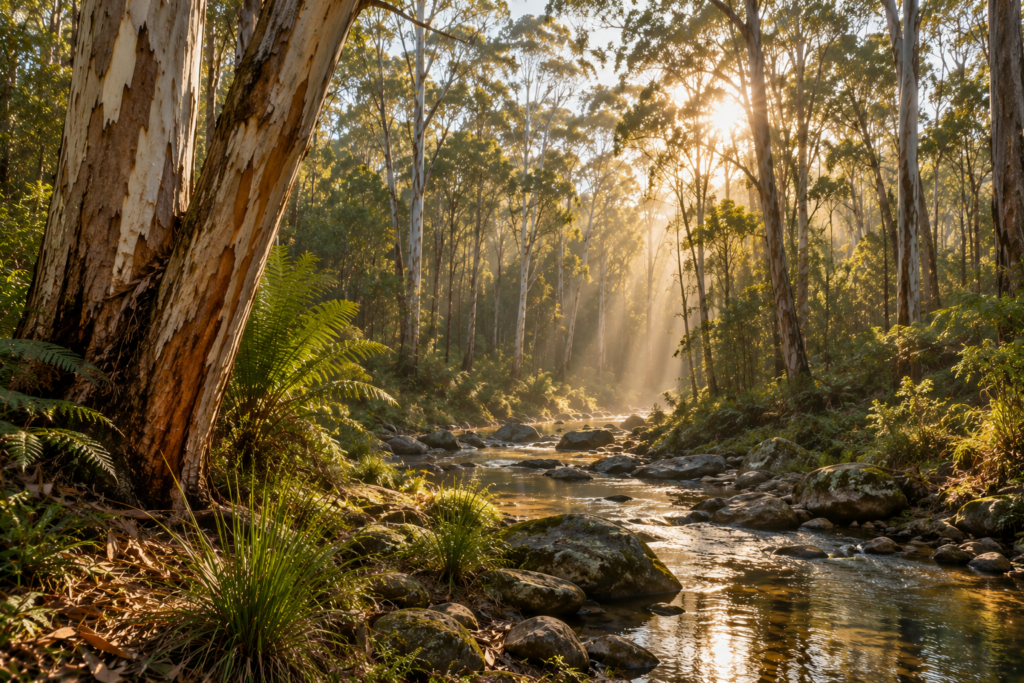
The encouraging news is that biodiversity loss is not inevitable. Around the world, restoration projects are bringing degraded ecosystems back to life. Native species are returning to areas where they had disappeared decades earlier, forests are being replanted, wetlands restored and threatened animals successfully reintroduced into protected habitats. These success stories demonstrate that while the challenges are significant, nature has an extraordinary capacity to recover when people choose to protect it.
In this article, we’ll explore what biodiversity really means, why it matters to every person on Earth, the major threats driving its decline, and why protecting nature is about much more than simply saving endangered animals. Understanding biodiversity is the first step towards protecting it, and the more we learn about the natural world, the better equipped we become to help safeguard it for future generations.
What Is Biodiversity?
The word biodiversity is often used by scientists, environmental organisations and governments, but its meaning is surprisingly straightforward. Biodiversity is simply the variety of life on Earth and the countless ways living organisms interact with one another and their environment. Rather than referring only to the number of different species, biodiversity describes the complexity of entire ecosystems, including the genetic differences within species, the relationships between organisms, and the habitats that allow life to flourish.
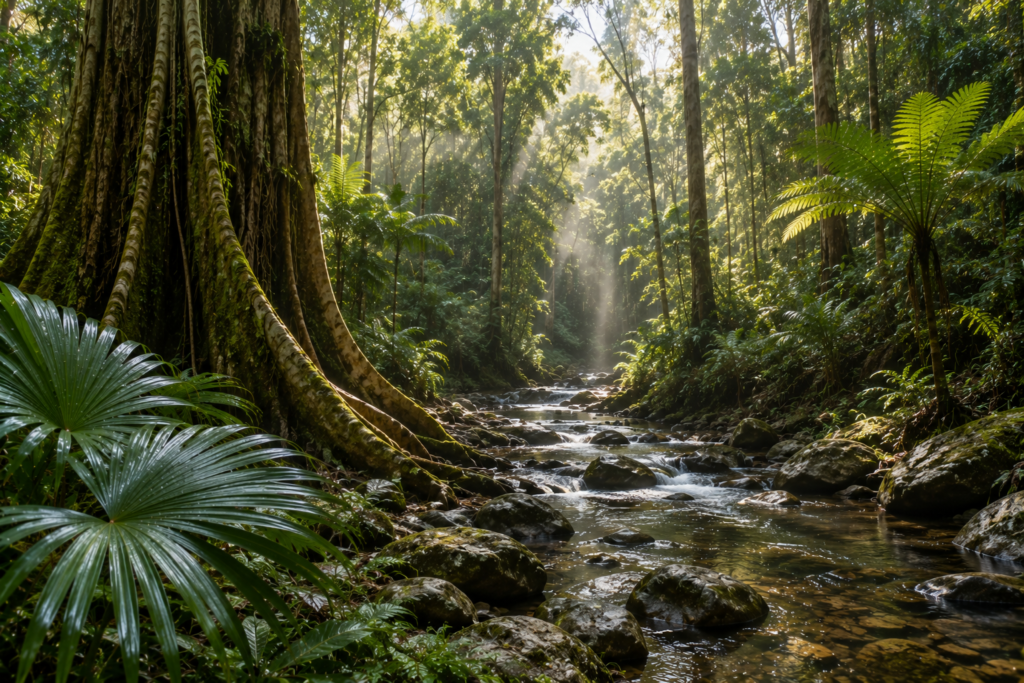
Imagine standing in an Australian rainforest after rain has fallen overnight. Towering trees stretch high above the forest floor, filtering sunlight through layers of green foliage. Mosses and ferns cover fallen logs while fungi quietly break down dead plant material, recycling nutrients back into the soil. Native bees move from flower to flower collecting nectar, birds call from the canopy, frogs emerge from hidden streams, and countless insects work unseen beneath the leaf litter. Every one of these organisms depends on many others to survive. Remove enough pieces from this intricate web, and eventually the entire ecosystem begins to unravel.
Scientists generally describe biodiversity at three interconnected levels: genetic diversity, species diversity and ecosystem diversity. Each plays an essential role in maintaining healthy natural environments, and understanding these different levels helps explain why biodiversity is so important.
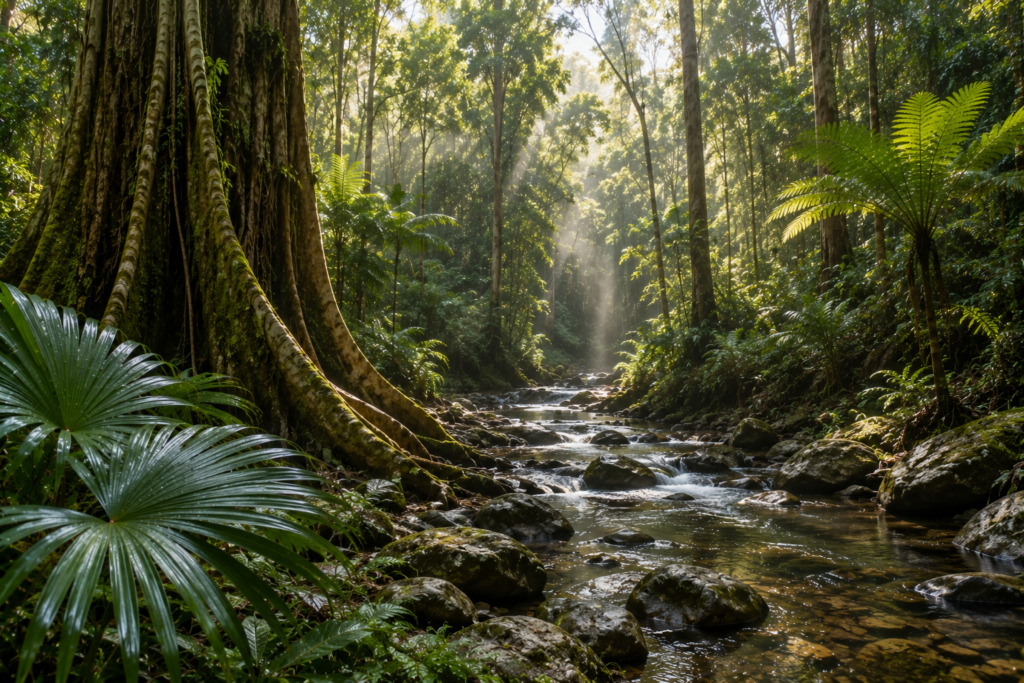
Genetic diversity refers to the differences found within a single species. Although two koalas may look almost identical, their genes are slightly different. These genetic variations influence everything from disease resistance and drought tolerance to reproductive success and the ability to adapt to changing environmental conditions. Populations with high genetic diversity are generally far more resilient because they have a greater chance of containing individuals capable of surviving new threats. In contrast, populations with very little genetic variation are much more vulnerable to disease outbreaks, climate extremes and environmental change.
Species diversity is the aspect of biodiversity that most people are familiar with. It refers to the number and variety of different species living within an area. Australia alone is home to an extraordinary collection of wildlife, including kangaroos, wombats, platypuses, echidnas, quokkas, cassowaries and thousands of reptiles, amphibians, birds and insects found nowhere else on Earth. Yet biodiversity extends far beyond these iconic animals. Soil microbes, fungi, algae, mosses and insects often receive little public attention despite performing essential ecological functions that support entire ecosystems.
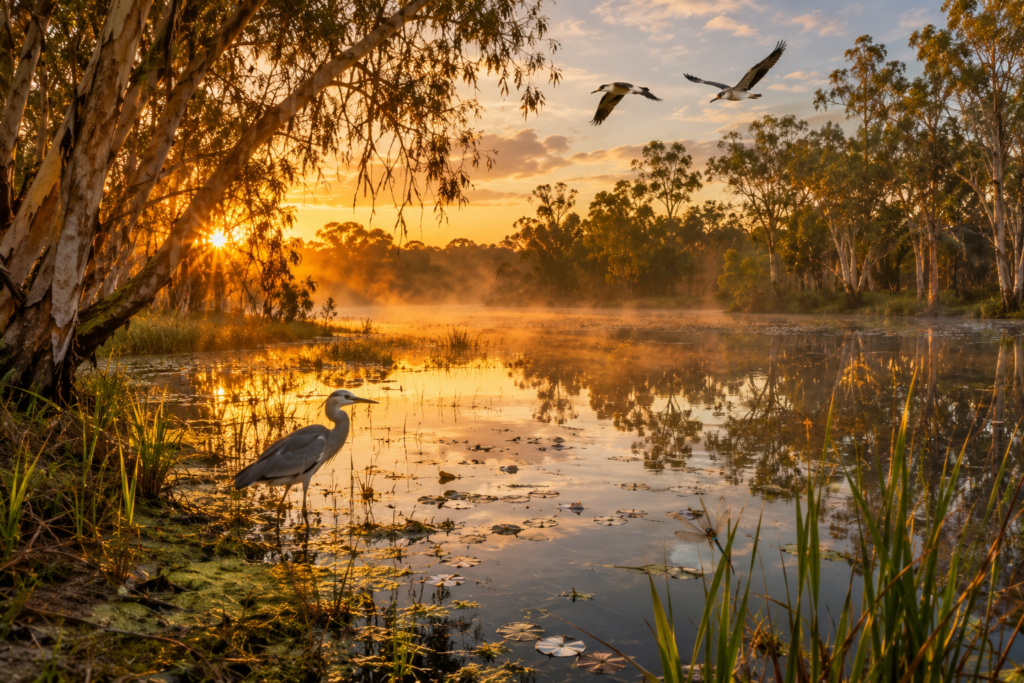
The third level, ecosystem diversity, recognises that life exists within a wide range of habitats, each with its own unique environmental conditions and communities of organisms. Australia contains tropical rainforests, alpine regions, mangrove forests, temperate woodlands, deserts, freshwater wetlands, seagrass meadows, coral reefs and vast stretches of savanna. Each ecosystem has evolved over thousands or even millions of years, creating complex ecological relationships that enable plants and animals to survive under very different conditions. Protecting biodiversity therefore means protecting not only individual species, but also the habitats that sustain them.
One of the most remarkable aspects of biodiversity is that many of its most important contributors are almost invisible. Healthy soil contains billions of microorganisms that recycle nutrients, support plant growth and store carbon. Pollinating insects ensure that countless flowering plants can reproduce, while fungi form underground networks connecting trees and allowing them to exchange nutrients and chemical signals. These hidden ecological processes quietly support the natural world every day, often without us ever noticing they exist.
The more scientists study biodiversity, the more they realise just how interconnected life on Earth truly is. Every species, regardless of its size or popularity, contributes to the stability of the ecosystems upon which all life depends. Protecting biodiversity is therefore not simply about preventing extinctions; it is about maintaining the natural systems that have allowed life to flourish for millions of years and ensuring they continue to support future generations.
As concerning as the current state of biodiversity may seem, there is genuine reason for optimism. Throughout history, nature has repeatedly demonstrated an extraordinary ability to recover when given the opportunity. Forests regrow after logging, wetlands return when waterways are restored, and wildlife populations can rebound when habitats are protected and threats are managed. Around the world, countless conservation projects are proving that biodiversity loss is not an irreversible process. Instead, it is a challenge that can be addressed through science, thoughtful land management, community involvement and informed everyday choices.
One of the greatest misconceptions surrounding conservation is the belief that protecting biodiversity is solely the responsibility of governments or environmental organisations. While policy and large-scale conservation initiatives are undoubtedly important, individuals collectively have enormous influence. Every purchasing decision, every garden planted with native species, every piece of litter picked up and every conversation about environmental issues contributes to a broader cultural shift towards valuing and protecting the natural world.
Conservation Success Stories
When discussions about biodiversity focus only on species declines and environmental degradation, it is easy to feel overwhelmed. Fortunately, there are many inspiring examples of ecosystems recovering through dedicated conservation efforts.
Across Australia, large areas of land have been restored through revegetation programs that reconnect fragmented habitats. By planting native trees and shrubs, conservation groups and landholders have created wildlife corridors that allow animals to safely move between isolated populations. These corridors are particularly important for species that require large home ranges or need to migrate in response to changing environmental conditions.
Threatened mammals have also benefited from intensive management. Predator-proof fenced reserves and offshore islands have become safe havens for species that struggle to survive alongside invasive predators such as foxes and feral cats. Within these protected areas, populations of bilbies, numbats, bridled nailtail wallabies and other threatened species have increased significantly.
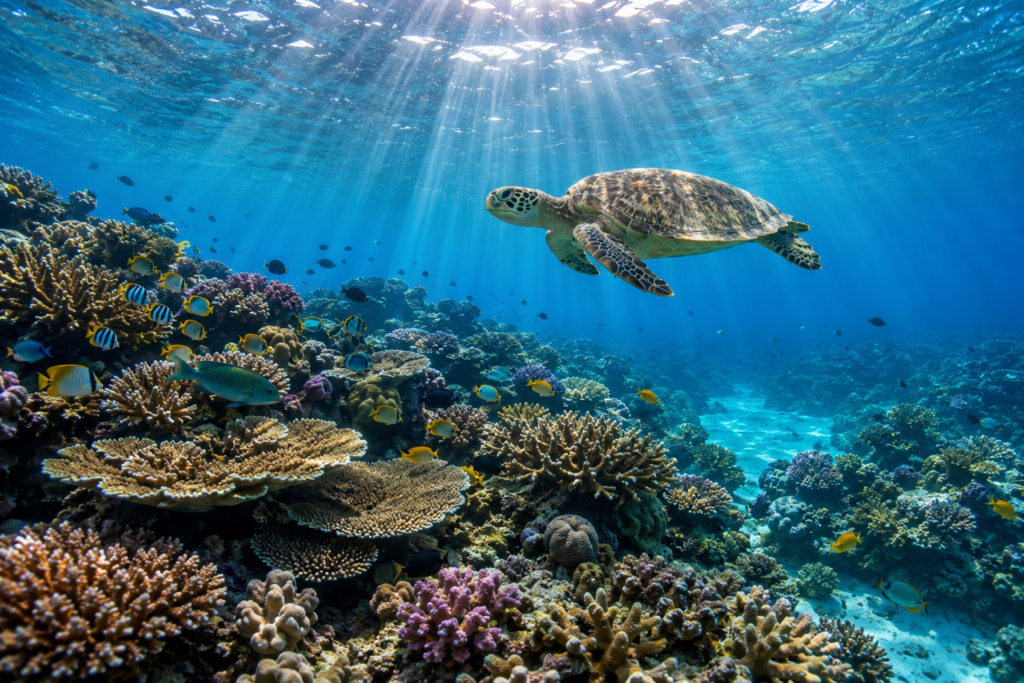
Marine conservation has also shown encouraging results. Around the world, marine protected areas have allowed fish populations to recover after years of overfishing. Healthier fish populations improve entire marine ecosystems while supporting more sustainable commercial and recreational fisheries over the long term.
These examples remind us that conservation works. Nature is remarkably resilient when given the opportunity to recover.
What Can Individuals Do?
One of the most common questions people ask is, “What difference can one person really make?”
The answer is more than many people realise.
Environmental problems often seem enormous because they occur on a global scale. However, every global issue is ultimately the result of billions of individual actions. Likewise, positive change also begins with individuals making better decisions each day.
Supporting biodiversity does not require completely changing your lifestyle overnight. Instead, it involves making small, consistent choices that collectively reduce environmental impacts while helping wildlife thrive.
One of the simplest actions is learning more about local ecosystems. Understanding the native plants and animals in your area helps develop a stronger appreciation for the environment while encouraging better stewardship of natural spaces. Visiting national parks, joining local conservation groups or participating in guided nature walks can dramatically increase your understanding of biodiversity.
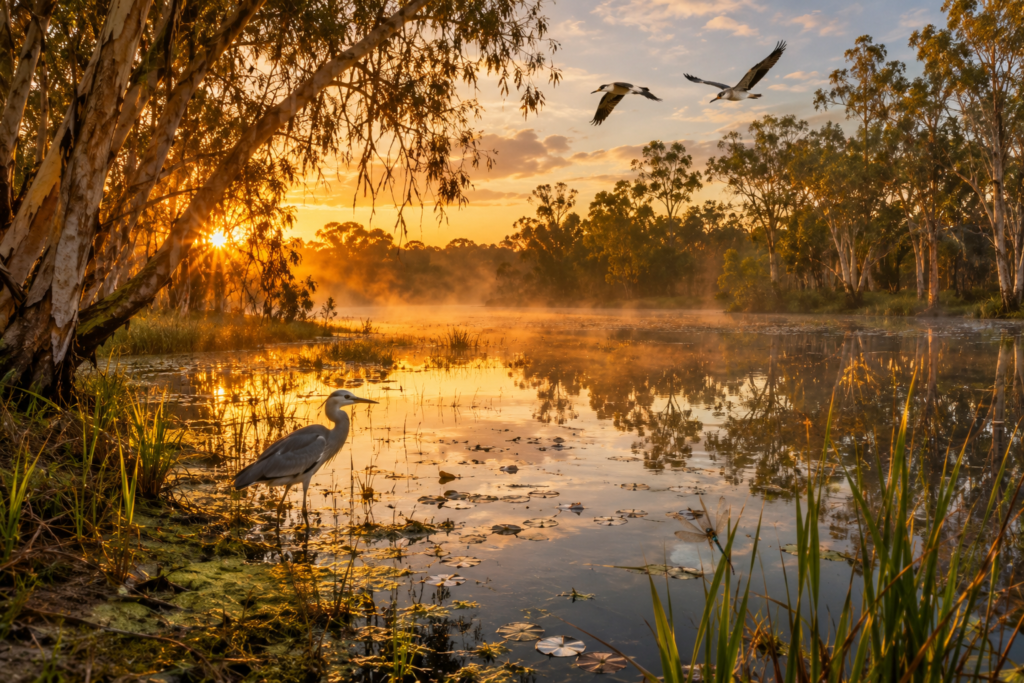
Create Wildlife-Friendly Gardens
Many Australian suburbs were once home to rich ecosystems that supported birds, reptiles, insects and mammals. Urban development has replaced much of this habitat with lawns, concrete and ornamental plants that provide little ecological value.
Home gardens offer an incredible opportunity to restore some of this lost habitat.
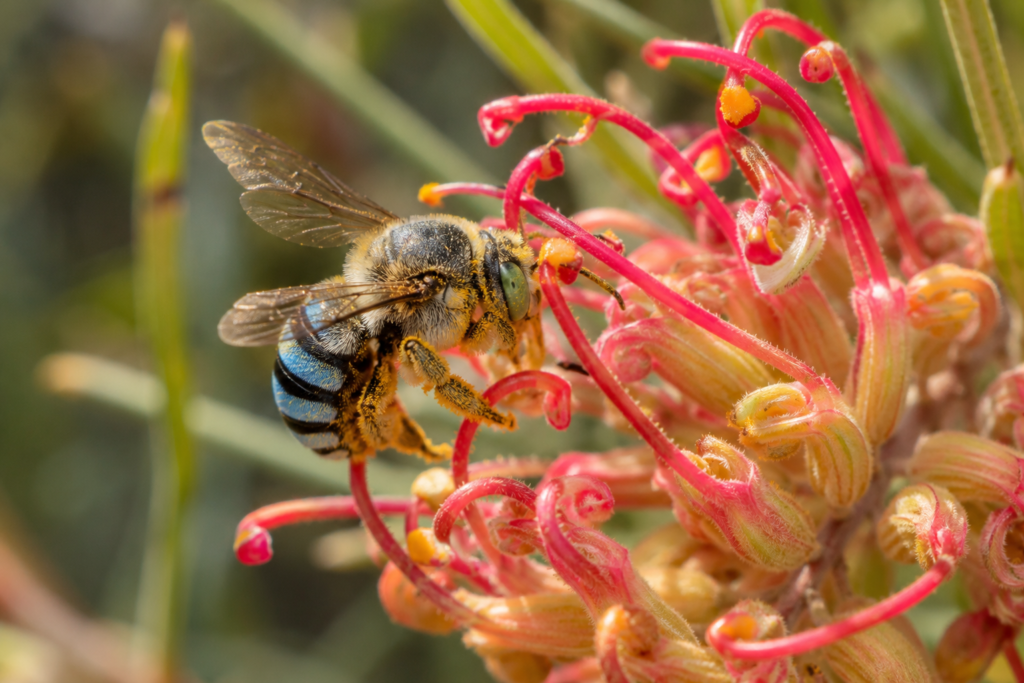
Planting locally native species provides nectar, pollen, fruits and shelter for wildlife. Native flowering shrubs attract bees and butterflies, while trees provide nesting sites for birds and shade that helps moderate urban temperatures.
Providing shallow water dishes during hot weather can support birds and beneficial insects, particularly during prolonged dry periods. Leaving fallen leaves beneath shrubs creates habitat for insects and small reptiles while returning nutrients to the soil.
Reducing pesticide use also benefits biodiversity by protecting pollinators and maintaining healthy insect populations that form the base of many food webs.
Even small balconies can contribute by growing flowering native plants in pots.
Support Citizen Science
Modern conservation increasingly relies on data collected by everyday people.
Citizen science projects allow volunteers to record wildlife observations that contribute to genuine scientific research. Every bird photographed, frog recorded or flowering plant identified helps scientists better understand species distributions and environmental change.
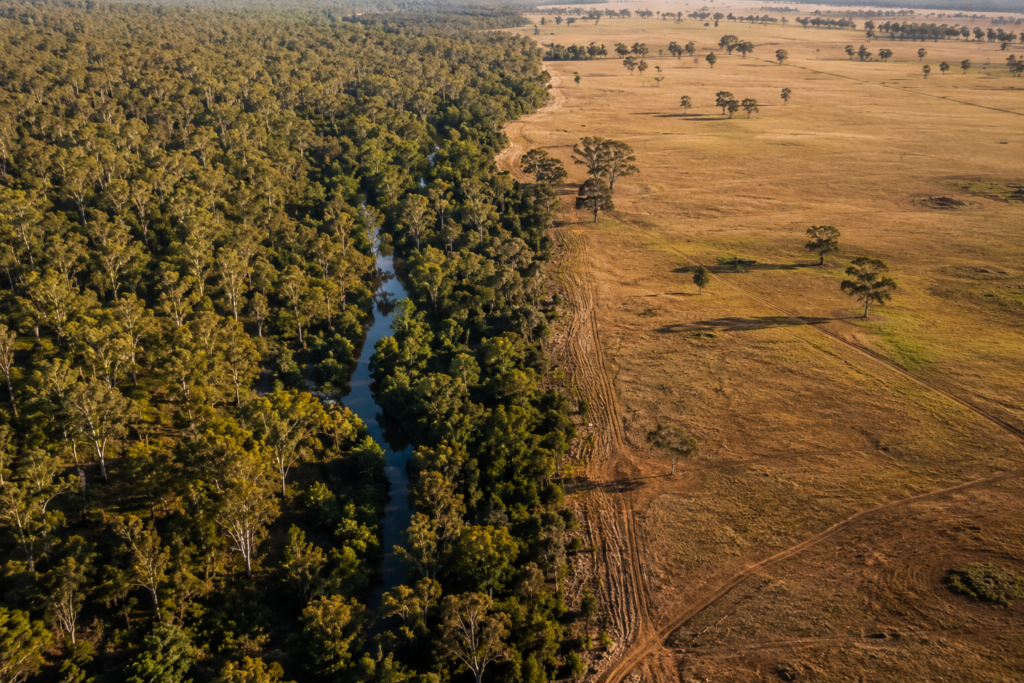
Australia has embraced citizen science through projects that encourage people to document biodiversity using smartphone apps and online databases. These observations help identify migration patterns, invasive species, threatened populations and changes caused by climate change.
Citizen science demonstrates that conservation is not limited to professional scientists. Anyone with curiosity and a willingness to observe nature can contribute valuable information.
Reduce Waste and Consume More Thoughtfully
Every product we purchase has an environmental footprint.
Raw materials must be extracted, transported, manufactured, packaged and eventually disposed of. By purchasing durable products, reducing unnecessary consumption and choosing sustainably produced goods where possible, individuals help reduce pressure on natural ecosystems.
Simple habits such as carrying reusable shopping bags, refillable drink bottles and reusable coffee cups reduce plastic waste that may otherwise enter waterways and oceans.
Choosing products made from recycled materials also supports circular economies that minimise resource extraction.
Sustainable living is not about achieving perfection. It is about making gradual improvements that become long-term habits.
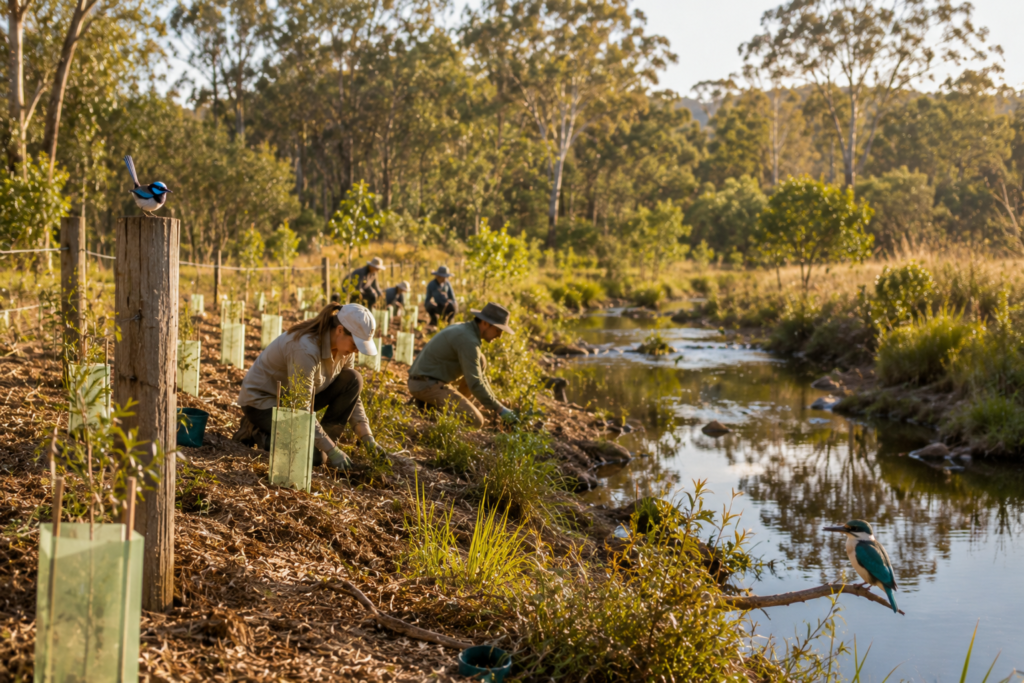
Climate Action Is Biodiversity Action
Climate change and biodiversity loss are deeply interconnected.
Healthy forests, wetlands, mangroves and seagrass meadows naturally remove carbon dioxide from the atmosphere while providing habitat for thousands of species.
Protecting and restoring these ecosystems therefore delivers multiple benefits simultaneously.
Individuals can contribute by reducing household energy consumption, improving home energy efficiency, using public transport where practical and supporting renewable energy initiatives.
Although one person’s emissions may seem insignificant, widespread adoption of lower-carbon lifestyles can substantially reduce collective environmental impacts.
The Importance of Environmental Education
Perhaps the most powerful conservation tool available is education.
People are far more likely to protect something they understand and value.
Environmental education encourages curiosity about the natural world while helping people appreciate how ecosystems function. Children who spend time outdoors often develop lifelong connections with nature that influence their attitudes and behaviours as adults.
Sharing accurate, accessible environmental information is therefore an important form of conservation in itself.
This is one of the guiding principles behind Our Natural Universe. By making ecology and environmental science easier to understand, we hope to inspire more people to appreciate, respect and protect the incredible biodiversity that surrounds us.
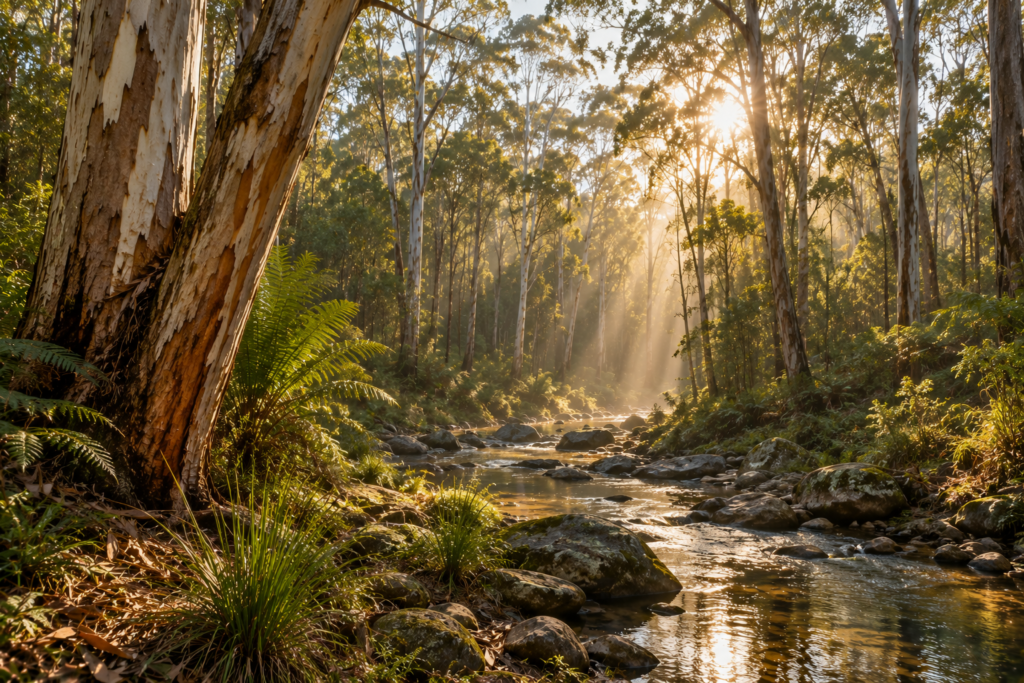
Looking Towards the Future
The coming decades will undoubtedly present significant environmental challenges. Climate change, growing populations and increasing demand for natural resources will continue placing pressure on ecosystems worldwide.
However, advances in ecological science, restoration techniques, remote sensing technology and environmental monitoring are providing new opportunities to better understand and manage biodiversity than ever before.
Artificial intelligence is helping scientists analyse millions of wildlife images. Satellite technology allows forests and wetlands to be monitored in near real time. Environmental DNA sampling enables researchers to detect species simply by analysing water or soil samples.
Combined with traditional ecological knowledge held by Indigenous communities, these technologies offer exciting possibilities for improving conservation outcomes.
The future of biodiversity will depend not on a single solution but on thousands of coordinated actions undertaken by governments, researchers, businesses, communities and individuals alike.
Final Thoughts
Biodiversity is far more than a scientific concept. It is the living foundation upon which every society depends. Healthy ecosystems provide clean air, fresh water, fertile soils, stable climates, medicines, food and countless cultural and recreational benefits that enrich our lives every day.
While the scale of biodiversity loss can feel overwhelming, there is also tremendous reason for hope. Around the world, conservation successes demonstrate that ecosystems can recover when habitats are protected, invasive species are controlled and communities become actively involved in caring for nature.
Every person has a role to play. Whether you plant native flowers, reduce plastic waste, support conservation organisations, participate in citizen science or simply spend more time learning about the natural world, your actions contribute to a larger movement working towards a healthier planet.
Protecting biodiversity is ultimately about protecting ourselves. By caring for nature today, we help ensure future generations inherit thriving forests, healthy oceans, vibrant wildlife and resilient ecosystems capable of supporting life for centuries to come.
The natural world has given humanity everything we need to survive. Now it is our turn to give something back.
⸻
Recommended Eco-Friendly Products
If you’re looking to make your lifestyle a little more environmentally friendly while supporting biodiversity, here are a few practical products worth considering.
- Bee Hotel for Native Bees
- Stainless Steel Reusable Water Bottle
- Native Australian Wildflower Seed Mix
- Field Guide to Australian Birds
- Home Compost Bin