
Introduction
Walk outside for just a few minutes and you’ll find yourself surrounded by life. Birds call from nearby trees, insects move quietly through long grass, fungi slowly break down fallen branches beneath your feet, and countless microscopic organisms work unseen within the soil. Even in the middle of a busy city, nature is constantly at work. Most of us rarely stop to think about these interactions, yet they are happening every second of every day, quietly supporting the world we depend upon.
This incredible variety of life is known as biodiversity, and it is one of the most important features of our planet. Biodiversity encompasses every living organism, from the smallest bacteria and fungi to the largest whales roaming our oceans. It includes the ecosystems these organisms inhabit and the complex relationships that connect them. While biodiversity may sound like a scientific concept reserved for researchers and conservationists, it is something that directly affects every person on Earth. The food we eat, the water we drink, the air we breathe and even the stability of our climate are all made possible by healthy, functioning ecosystems supported by biodiversity.
Over recent decades, biodiversity has become one of the defining environmental issues of our time. Around the globe, habitats are being cleared, native species are declining, and ecosystems that have taken thousands or even millions of years to develop are changing at an unprecedented pace. Tropical rainforests continue to shrink, coral reefs experience repeated bleaching events, wetlands disappear beneath expanding cities, and many animal populations are becoming increasingly isolated as landscapes become fragmented. Scientists now warn that species are disappearing much faster than would occur naturally, making biodiversity conservation one of humanity’s greatest environmental challenges.
Although these headlines can feel overwhelming, they tell only part of the story. Nature is remarkably resilient. Around the world, degraded ecosystems are being restored, threatened species are recovering, and communities are finding innovative ways to live alongside nature while protecting the ecosystems that sustain us. Every successful restoration project demonstrates an important truth: biodiversity loss is not inevitable. With knowledge, planning and collective action, we can help ensure that future generations inherit a healthier planet than many predict today.
Understanding biodiversity is the first step towards protecting it. Once we recognise how deeply connected human wellbeing is to healthy ecosystems, conservation becomes far more than simply protecting wildlife. It becomes an investment in our own future.
What Is Biodiversity?
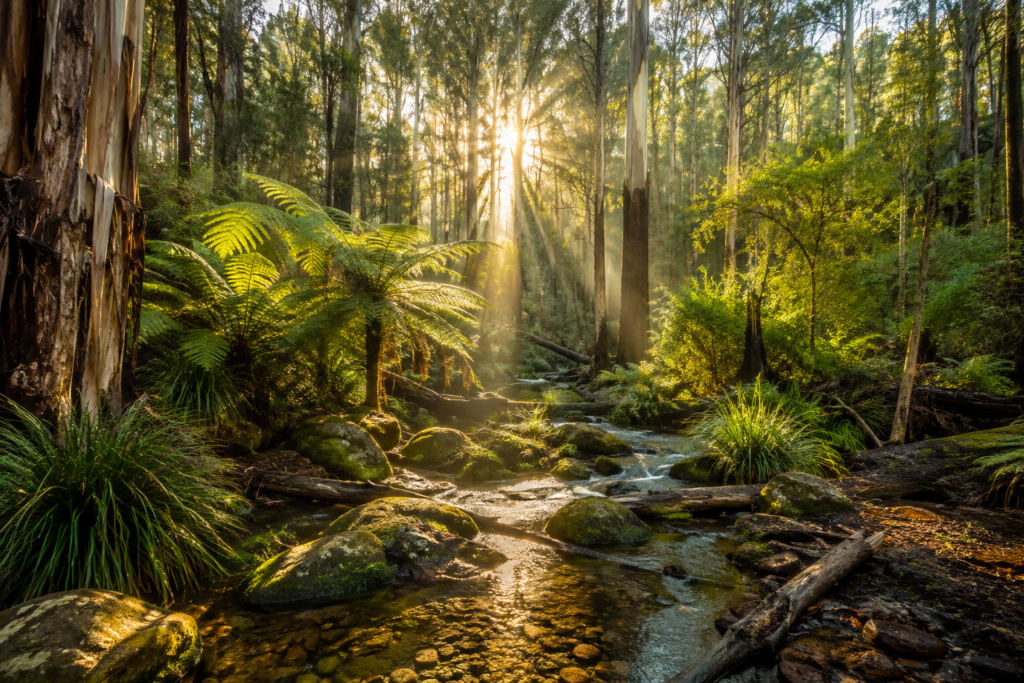
The word biodiversity is short for biological diversity, but its meaning extends far beyond simply counting the number of different species that exist on Earth. Biodiversity describes the enormous variety of living organisms, the genetic differences that exist within species, and the diverse ecosystems they collectively form. More importantly, it also encompasses the countless interactions between these organisms that allow ecosystems to function. Every forest, river, coral reef, wetland and grassland is supported by intricate relationships that have evolved over millions of years, creating remarkably stable systems capable of sustaining life.
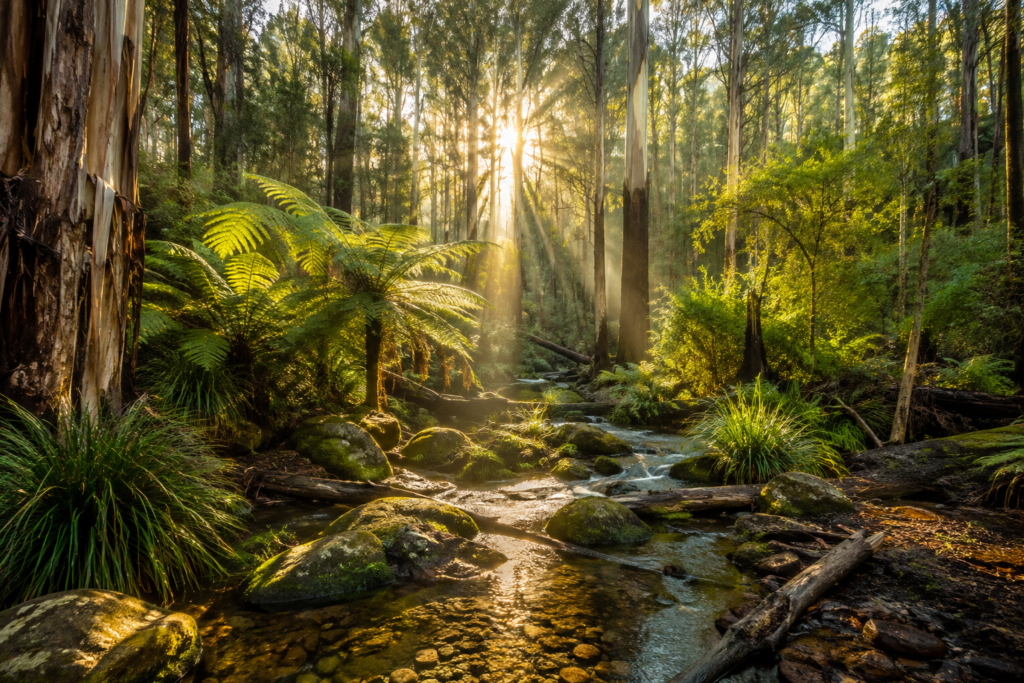
Imagine standing in the middle of an ancient rainforest in Far North Queensland just after sunrise. Moisture clings to the leaves following overnight rain, while beams of sunlight filter through towering trees and illuminate the forest floor. Moss-covered rocks line a crystal-clear stream as tiny freshwater shrimp move beneath the surface. High above, ancient strangler figs compete for sunlight while tree ferns spread enormous fronds beneath the canopy. Beneath the leaf litter, fungi slowly recycle dead organic material into nutrients that will nourish the next generation of plants. Insects pollinate rainforest flowers, birds disperse seeds across the landscape, and microorganisms hidden within the soil quietly maintain the chemical processes that support every plant rooted above them. No single species exists independently. Each relies upon dozens, sometimes hundreds, of others.
This interconnectedness is one of biodiversity’s defining characteristics. Rather than existing as isolated organisms, every living thing forms part of a much larger ecological network. Remove one important component, and the effects can ripple throughout an ecosystem in unexpected ways. A decline in insect populations may reduce food available for birds. Fewer birds may result in fewer seeds being dispersed, slowing forest regeneration. Reduced forest cover can alter local temperatures and rainfall patterns, further affecting wildlife. These cascading ecological effects highlight why biodiversity is about far more than protecting individual species—it is about maintaining the resilience of entire ecosystems.
Scientists typically describe biodiversity across three interconnected levels: genetic diversity, species diversity and ecosystem diversity. Each contributes to the health and stability of natural environments.
Genetic diversity refers to the natural variation that exists between individuals of the same species. Although every koala belongs to the same species, each possesses a unique combination of genes that influence characteristics such as disease resistance, reproductive success and tolerance to environmental stress. This genetic variation acts as nature’s insurance policy. When environments change, populations with greater genetic diversity are more likely to contain individuals capable of adapting to new conditions. Without sufficient genetic diversity, entire populations become vulnerable to disease outbreaks, prolonged droughts or changing climates.
Species diversity is perhaps the most familiar aspect of biodiversity. It represents the variety of different plants, animals, fungi and microorganisms found within an ecosystem or region. Australia is internationally recognised as one of the world’s biodiversity hotspots because of the extraordinary number of species found nowhere else on Earth. From platypuses and echidnas to kangaroos, wombats and more than 24,000 marine species, Australia’s wildlife reflects millions of years of independent evolution following the continent’s long geographic isolation. Yet biodiversity extends well beyond these iconic animals. The vast majority of species are small, inconspicuous organisms that quietly perform essential ecological functions. Pollinating insects, soil bacteria, earthworms, fungi and algae rarely appear on wildlife documentaries, but without them, ecosystems would quickly begin to collapse.
The third level, ecosystem diversity, describes the incredible range of habitats that exist across the planet. Australia alone contains tropical rainforests, alpine heathlands, vast deserts, temperate forests, mangroves, freshwater wetlands, seagrass meadows, coral reefs and sprawling savannas. Each ecosystem supports its own unique community of species that have adapted to local conditions over thousands of years. Protecting biodiversity therefore requires conserving not only wildlife but also the habitats that sustain ecological processes.
Perhaps one of the most remarkable aspects of biodiversity is that much of it remains undiscovered. Scientists estimate that millions of species have yet to be formally described. Every year, researchers identify new insects, marine organisms, fungi and plants, many of which inhabit remote environments that have received relatively little scientific attention. Some may possess unique chemical compounds capable of inspiring future medicines. Others may play ecological roles we do not yet fully understand. This means biodiversity is not simply something we are losing; it is also something we are still discovering.
Why Biodiversity Matters
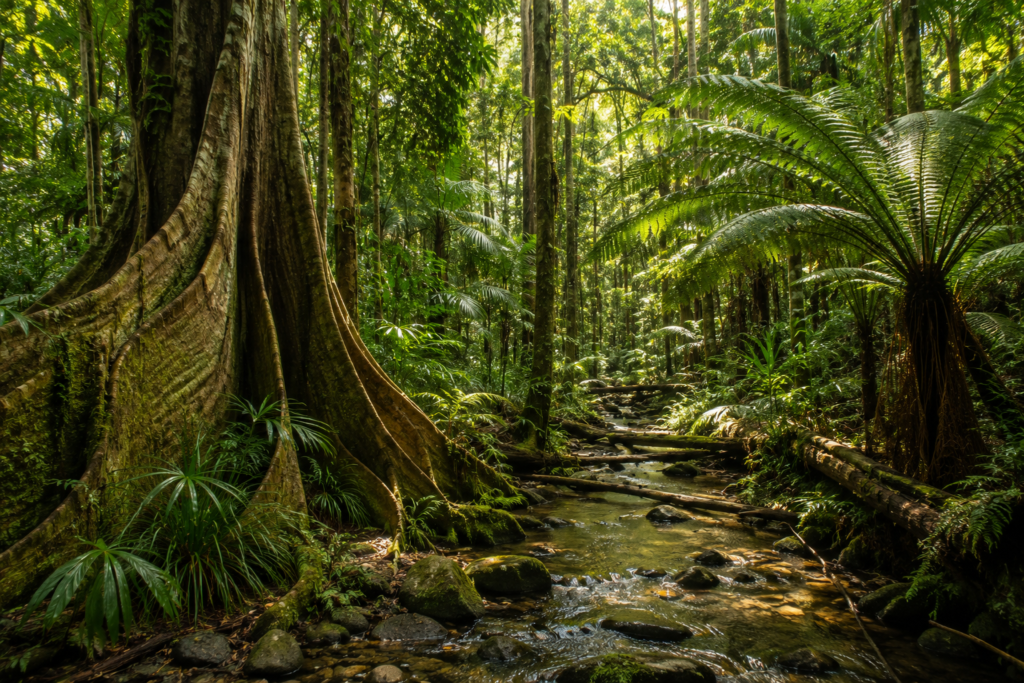
At first glance, biodiversity may appear to be primarily an environmental issue, relevant only to ecologists, conservation organisations or national parks. In reality, biodiversity underpins almost every aspect of modern civilisation. Healthy ecosystems provide services that are so reliable we often overlook them entirely, despite depending upon them every single day.
One of the clearest examples is food production. Every meal we eat begins with natural ecosystems functioning as they should. Pollinating insects such as bees, butterflies, beetles and native flies fertilise countless flowering plants, allowing fruits, vegetables and seeds to develop. Healthy soils recycle nutrients, retain moisture and support crop growth. Predatory insects naturally control agricultural pests, reducing the need for chemical pesticides. Rivers, wetlands and forests regulate water supplies used for irrigation. Without biodiversity, global food production would become increasingly unstable, affecting both food security and economic stability.
Water is another resource deeply connected to biodiversity. Forested catchments capture rainfall before gradually releasing it into streams and rivers. Wetlands filter pollutants, trap sediments and improve water quality before it reaches downstream communities. Riparian vegetation stabilises riverbanks, reducing erosion while providing habitat for aquatic species. These natural systems perform services that would otherwise require expensive infrastructure to replicate. Conserving biodiversity is therefore often one of the most cost-effective ways to protect freshwater resources.
The relationship between biodiversity and climate is equally important. Forests, peatlands, mangroves and seagrass meadows store vast amounts of carbon, helping regulate atmospheric carbon dioxide concentrations. Healthy vegetation also influences local rainfall patterns, moderates temperatures and reduces the impacts of extreme weather events. Protecting biodiversity is therefore inseparable from addressing climate change, as both issues influence one another in complex and often reinforcing ways.
Australia’s Extraordinary Biodiversity
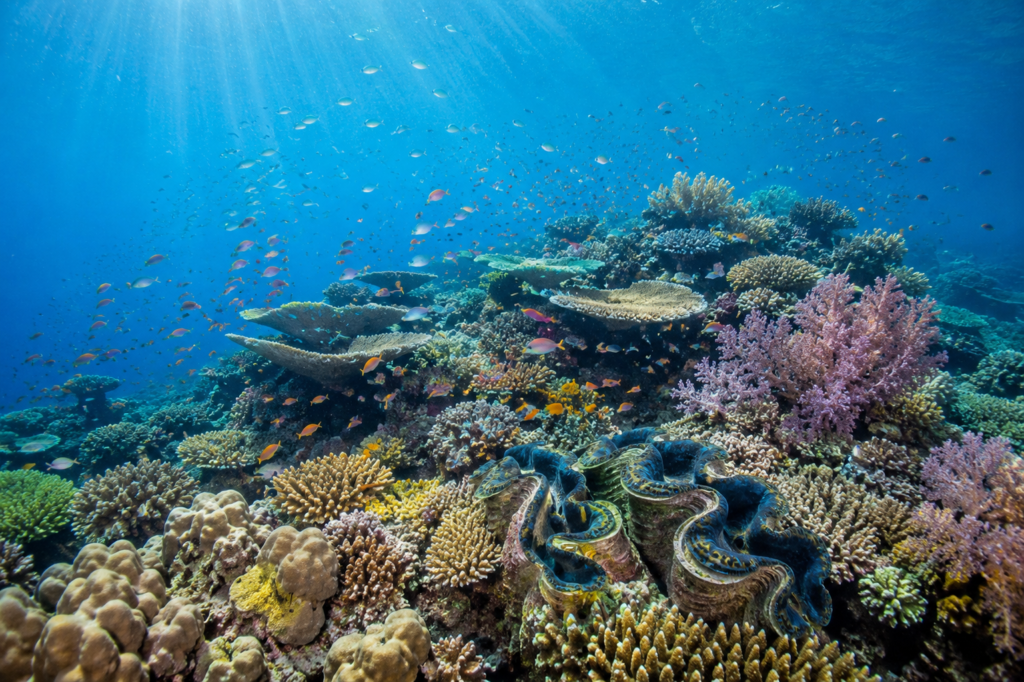
Few countries on Earth possess biodiversity quite like Australia. Separated from the rest of the world’s continents for more than 35 million years, Australia has evolved in relative isolation, allowing plants and animals to develop in remarkable and often unusual ways. This long period of separation has resulted in an extraordinary level of endemism—species that occur nowhere else on Earth. Today, around 80 percent of Australia’s mammals, reptiles and flowering plants are found only within Australia, making the continent one of the world’s most biologically unique regions.
When most people think of Australian wildlife, iconic species such as kangaroos, koalas, wombats and platypuses naturally come to mind. While these animals are undoubtedly remarkable, they represent only a tiny fraction of Australia’s biodiversity. The continent supports over 12,000 plant species, thousands of fish, reptiles, amphibians and birds, more than 200,000 known invertebrate species, and countless microorganisms that remain largely undocumented. Scientists continue to discover new species every year, particularly among insects, fungi and marine organisms, demonstrating how much there is still to learn about Australia’s natural world.
Australia’s landscapes are equally diverse. Stretching from the tropical rainforests of Far North Queensland to the alpine peaks of the Snowy Mountains, the red deserts of Central Australia, the temperate forests of Tasmania and the spectacular coral reefs surrounding the northern coastline, the country contains an astonishing range of ecosystems. Each supports its own specialised community of plants and animals adapted to local conditions.
The Wet Tropics World Heritage Area contains some of the oldest continuously surviving tropical rainforests on Earth, with ancient plant lineages dating back millions of years. Along the coast, the Great Barrier Reef supports one of the planet’s richest marine ecosystems, providing habitat for thousands of fish, corals, molluscs, crustaceans and marine mammals. Inland, vast eucalyptus woodlands support diverse bird communities while ephemeral wetlands burst into life following seasonal rainfall, attracting thousands of waterbirds from across the continent.
This remarkable biodiversity is not simply a source of national pride. It also provides substantial ecological, cultural and economic benefits. Nature-based tourism contributes billions of dollars to Australia’s economy every year, while healthy ecosystems support agriculture, fisheries, recreation and cultural heritage. Protecting Australia’s biodiversity therefore benefits both wildlife and society as a whole.
Nature’s Invisible Workforce
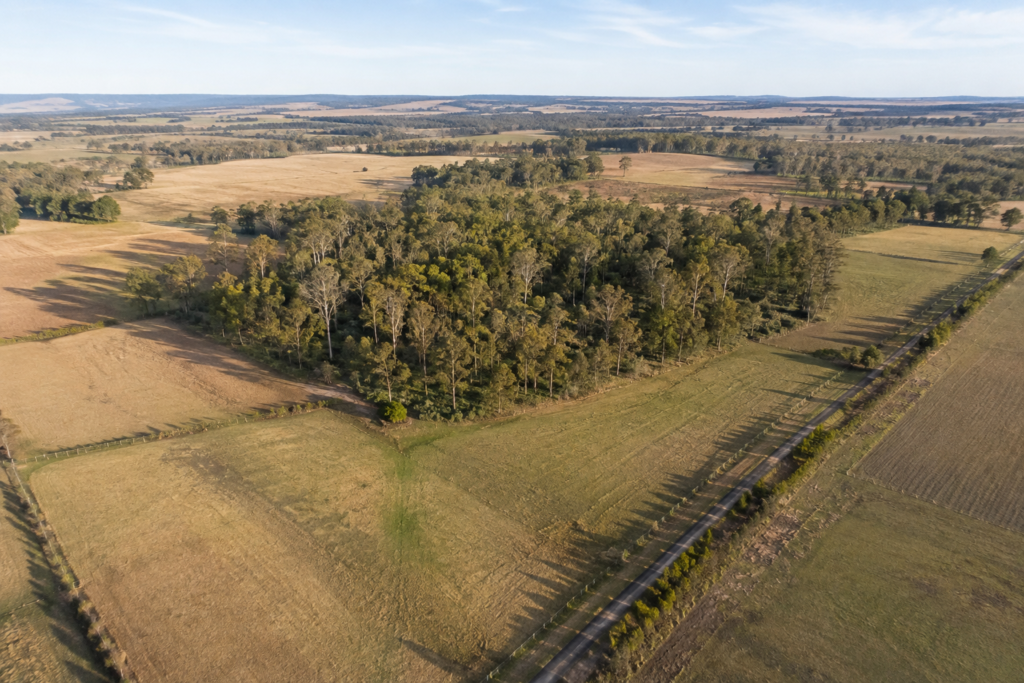
One of the greatest challenges in communicating biodiversity is that many of its most important contributors are almost invisible. Large mammals and colourful birds often capture public attention, yet ecosystems are primarily sustained by much smaller organisms performing essential ecological functions behind the scenes.
Beneath every healthy forest lies an intricate underground community of fungi, bacteria, earthworms and microscopic invertebrates. Together, these organisms decompose fallen leaves, dead wood and other organic matter, recycling nutrients back into the soil where they become available for new plant growth. Without these decomposers, forests would quickly become buried beneath undecomposed material while nutrients remained locked away, preventing new vegetation from establishing.
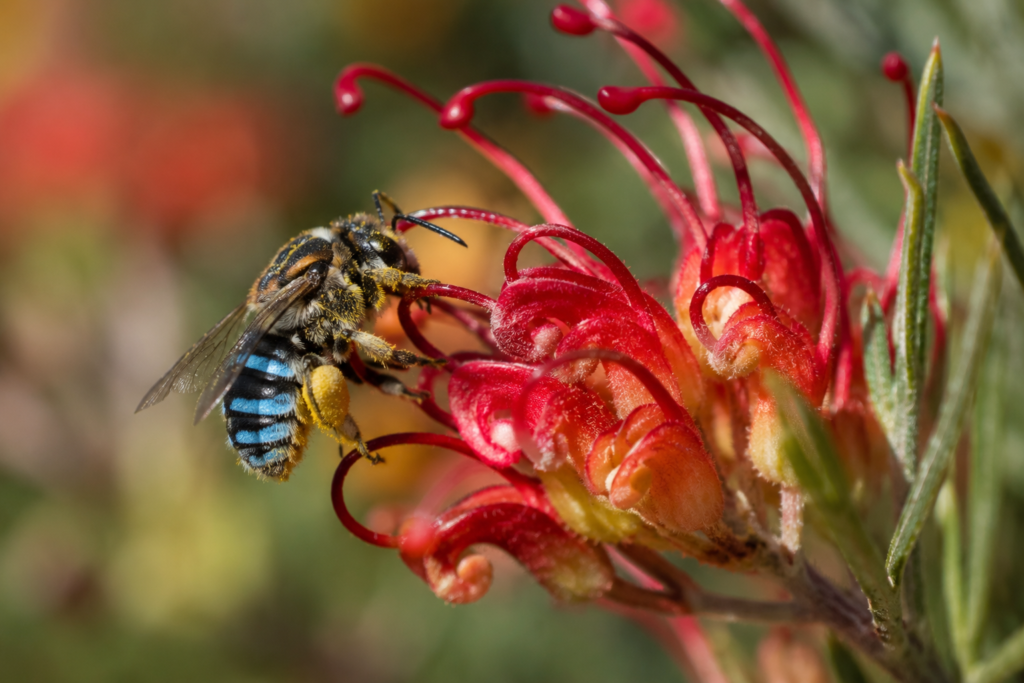
Pollinating insects provide another invaluable ecological service. Native bees, butterflies, moths, flies and beetles transfer pollen between flowers, allowing countless plant species to reproduce successfully. While the European honeybee receives much public attention, Australia is also home to more than 1,600 native bee species, many of which are highly specialised pollinators. These insects support both native ecosystems and agricultural production, contributing significantly to food security.
Predators also play a critical role in maintaining ecological balance. Birds of prey regulate rodent populations, spiders consume enormous numbers of insects, and predatory fish help maintain healthy aquatic ecosystems. By naturally controlling prey populations, predators prevent individual species from dominating ecosystems and help preserve overall biodiversity.
Even microorganisms contribute to climate regulation. Soil bacteria and fungi influence carbon storage, nitrogen cycling and greenhouse gas emissions. Marine phytoplankton, tiny microscopic organisms drifting near the ocean’s surface, produce approximately half of the oxygen in Earth’s atmosphere through photosynthesis. Every second breath we take may ultimately depend upon these invisible marine ecosystems.
Recognising the importance of these often-overlooked organisms changes how we think about conservation. Protecting biodiversity is not only about charismatic wildlife; it is about safeguarding the countless ecological processes that quietly sustain life on Earth.
Why Biodiversity Is Declining
Although biodiversity has always changed naturally over geological time, the rate of change occurring today is unlike anything recorded in recent human history. Species have evolved, adapted and become extinct throughout Earth’s history, but current declines are occurring much faster than natural background extinction rates. Scientists widely agree that human activity has become the dominant driver of biodiversity loss across the planet.
Perhaps the single greatest threat is habitat loss. As human populations grow, increasing amounts of land are converted for agriculture, urban development, mining, transport infrastructure and industrial activities. Forests are cleared, wetlands drained and native grasslands replaced by crops or pasture. While development is often necessary to support society, it can also remove the habitats that countless species depend upon for food, shelter and reproduction.
Habitat fragmentation compounds this problem. Even when patches of native vegetation remain, they are often isolated from one another by roads, farms or urban areas. Wildlife populations become separated into smaller groups, reducing opportunities for breeding and limiting genetic diversity. Animals that once moved freely across landscapes may struggle to find food, mates or suitable habitat, increasing their vulnerability to local extinction.
Climate change has emerged as another major pressure on biodiversity. Rising temperatures, changing rainfall patterns, prolonged droughts and more frequent extreme weather events are altering ecosystems around the world. Species that evolved under relatively stable climatic conditions are increasingly forced to adapt, migrate or face population declines.
Australia provides several well-known examples. Coral bleaching events have affected large sections of the Great Barrier Reef during periods of unusually warm ocean temperatures. Alpine ecosystems are shrinking as temperatures increase, reducing habitat for species adapted to cooler environments. Some native plants are flowering earlier in response to changing seasonal conditions, while the insects and birds that rely on them may not adjust at the same rate, disrupting long-established ecological relationships.
Invasive species present another significant challenge. Australia now supports numerous introduced animals and plants that compete with native species or alter ecosystems. European foxes and feral cats have contributed to declines in many native mammals, while invasive weeds outcompete native vegetation and transform habitat structure. Rabbits damage native grasslands through overgrazing, and feral pigs disturb wetlands and waterways. Managing invasive species remains one of Australia’s largest ongoing conservation challenges.
Pollution further compounds biodiversity loss. Plastic waste enters oceans and rivers, agricultural runoff increases nutrient levels in waterways, heavy metals accumulate in sediments, and chemicals contaminate soils. Light pollution disrupts nocturnal wildlife behaviour, while noise pollution can interfere with bird communication and marine mammal navigation. Although each source of pollution may appear relatively small in isolation, their cumulative impacts can significantly alter ecosystems over time.
Every Species Has a Role
One of ecology’s most important lessons is that ecosystems function through relationships rather than isolated species. Every organism occupies a particular ecological niche, contributing to the overall stability of its environment.
Some species are known as keystone species because their influence extends far beyond what their abundance might suggest. The loss of a keystone species can trigger cascading ecological effects throughout an ecosystem. Similarly, ecosystem engineers modify their environment in ways that benefit numerous other organisms. Trees create habitat, wetlands regulate water movement and coral reefs provide complex structures supporting thousands of marine species.
Even species that appear insignificant often perform surprisingly important ecological functions. Termites recycle woody material across Australia’s northern landscapes, dung beetles improve soil health by burying animal waste, and tiny aquatic insects provide food for fish, frogs and waterbirds. The disappearance of these organisms may initially go unnoticed, yet their absence can gradually weaken ecosystem resilience.
Ecologists often compare biodiversity to the threads within a woven fabric. Removing a single thread may have little immediate effect, but continually removing more threads eventually weakens the entire structure. Biodiversity functions in much the same way. Every species lost reduces ecological resilience, making ecosystems less capable of withstanding future disturbances such as drought, bushfire or disease outbreaks.
Why This Matters to Us
It is easy to think biodiversity loss is primarily about protecting distant rainforests or endangered wildlife, but the reality is much closer to home. Human health, economies and communities all depend upon functioning ecosystems.
Healthy forests reduce flood risk by slowing runoff during heavy rainfall. Coastal mangroves protect shorelines from storm surges while providing nursery habitat for commercially important fish species. Wetlands naturally filter pollutants before they reach drinking water supplies. Native vegetation stabilises soils, reducing erosion and improving agricultural productivity.
Nature also provides significant benefits for mental health and wellbeing. Research consistently shows that spending time in natural environments reduces stress, improves mood and encourages physical activity. Urban parks, bushwalking trails and local reserves allow people to reconnect with nature while supporting healthier lifestyles.
Perhaps most importantly, biodiversity represents an irreplaceable natural heritage. Every species carries millions of years of evolutionary history. Once lost, that unique history cannot be recreated. Future generations deserve the opportunity to experience thriving forests, healthy rivers, vibrant coral reefs and abundant wildlife just as previous generations have.
Why There Is Still Hope for Nature
After learning about the importance of biodiversity and the many pressures facing ecosystems around the world, it is easy to feel discouraged. News headlines often focus on declining wildlife populations, devastating bushfires, coral bleaching, deforestation and climate change, creating the impression that nature is locked in an unstoppable decline. While these challenges are undoubtedly real, they tell only part of the story. Across Australia and around the globe, thousands of conservation projects are demonstrating that biodiversity can recover when ecosystems are protected and restored. Rivers that were once heavily polluted now support thriving fish populations. Forests that were cleared decades ago are gradually regenerating. Endangered species are returning to landscapes where they had long disappeared. These success stories provide an important reminder that although biodiversity is under pressure, it is also remarkably resilient.
Nature has an extraordinary ability to heal itself when given the opportunity. Seeds buried beneath the soil for decades can germinate after the return of favourable conditions. Native vegetation often begins recolonising degraded landscapes surprisingly quickly once grazing pressure is reduced and invasive weeds are controlled. Wetlands that have been reconnected to natural water flows rapidly attract birds, frogs and aquatic insects. Coral reefs damaged by storms or bleaching events can recover over time if water quality remains high and additional stressors are minimised. Ecological restoration is rarely instantaneous, but given enough time and the right management, ecosystems often display an incredible capacity for renewal.
One of the reasons biodiversity recovery is possible is because ecosystems are naturally dynamic. Change is a normal part of ecological systems. Bushfires, floods, cyclones and droughts have shaped Australian landscapes for millions of years, and many native species have evolved remarkable adaptations that allow them to survive these disturbances. Certain eucalyptus species regenerate from protected buds beneath their bark after fire, while many native plants rely on smoke or heat to stimulate seed germination. Floodplain wetlands may appear lifeless during dry periods, only to burst into spectacular displays of birds, fish and aquatic plants after seasonal rains return. Understanding these natural processes allows ecologists to distinguish between ecosystems responding naturally to disturbance and those being pushed beyond their capacity to recover.
Conservation Success Stories Around the World
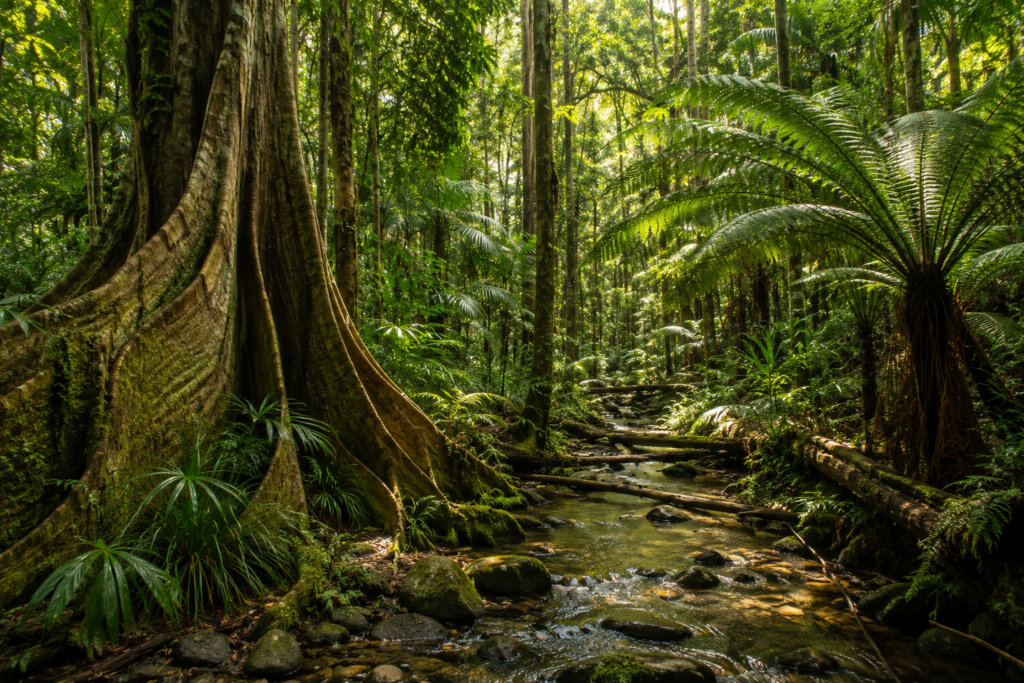
Conservation is sometimes portrayed as a losing battle, but history tells a very different story. Around the world, there are countless examples of species and ecosystems recovering because people recognised the value of protecting nature.
In Australia, coordinated predator control programs have helped threatened mammals recover within carefully managed conservation reserves. Species such as the bilby, numbat and bridled nailtail wallaby now survive in locations where intensive management has reduced the impacts of invasive predators like foxes and feral cats. These projects demonstrate that targeted conservation actions, supported by scientific research and long-term monitoring, can produce measurable improvements in biodiversity.
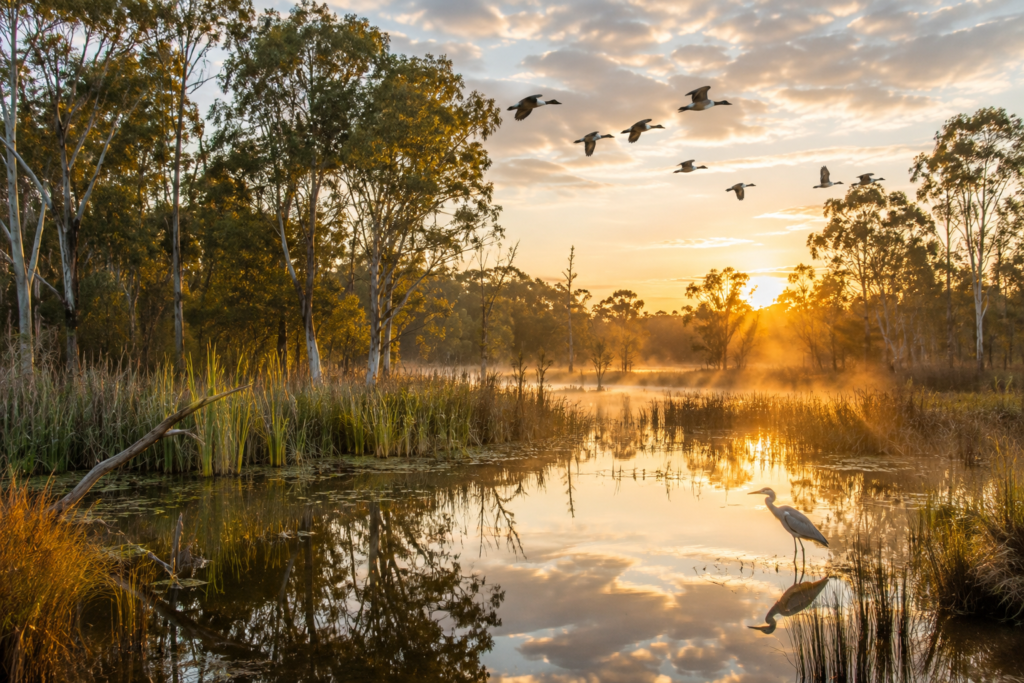
The restoration of wetlands has also delivered remarkable environmental benefits. Throughout Australia, many wetlands were historically drained or modified for agriculture and urban development. In recent decades, restoration projects have re-established natural water flows, replanted native vegetation and improved water quality, allowing frogs, waterbirds and aquatic plants to return. These wetlands now provide habitat for wildlife while simultaneously reducing flood impacts, filtering pollutants and supporting local communities.
Marine conservation has produced equally encouraging outcomes. Marine protected areas established around the world have shown that fish populations can recover when overfishing is reduced or eliminated. As larger breeding populations become established within protected areas, young fish often disperse into surrounding waters, benefiting both biodiversity and sustainable fisheries. Healthy coral reefs are also more resilient to disturbances when protected from additional pressures such as pollution and destructive fishing practices.
Internationally, one of the most inspiring examples of successful conservation is the recovery of species once considered on the brink of extinction. Through habitat protection, captive breeding programs, legal protections and community involvement, numerous species have experienced substantial population increases. While not every conservation project succeeds, these achievements demonstrate that biodiversity loss is neither inevitable nor irreversible.
Ecological Restoration: Helping Nature Recover
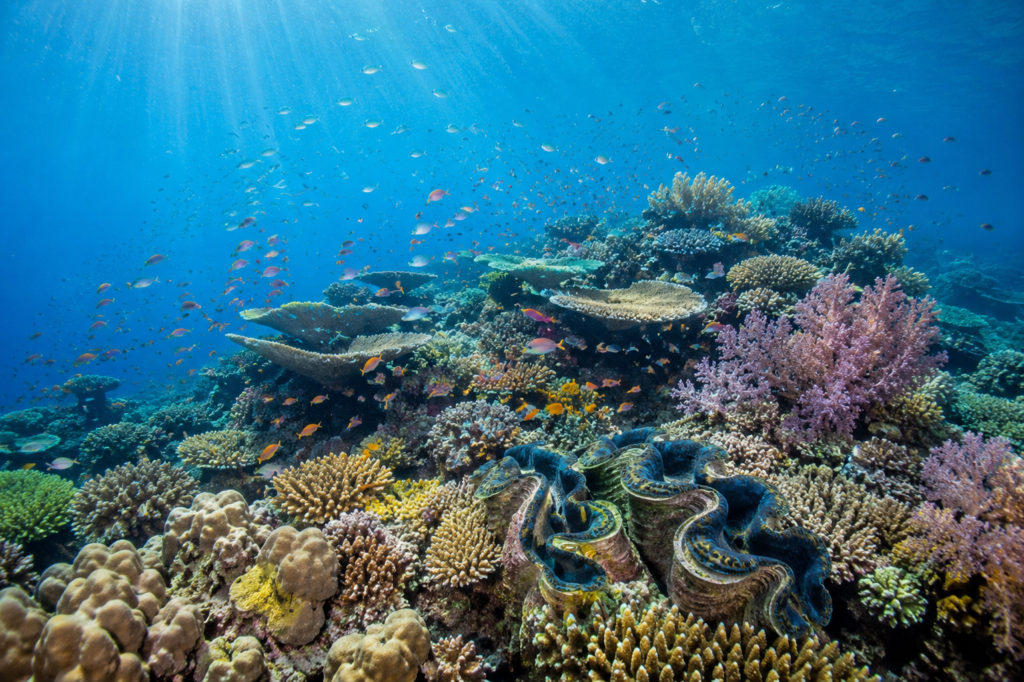
Ecological restoration has become one of the fastest-growing fields within environmental science. Rather than simply protecting existing ecosystems, restoration focuses on repairing landscapes that have already been degraded. The goal is not always to recreate an ecosystem exactly as it once existed but to restore its ecological function so that native plants, animals and natural processes can once again thrive.
Restoration often begins with removing the factors causing environmental decline. Invasive weeds may be controlled, eroded stream banks stabilised, polluted waterways cleaned, or barriers preventing fish movement removed. Native vegetation is then replanted using species that naturally occur within the local area, helping recreate habitat while improving ecological connectivity between fragmented landscapes.
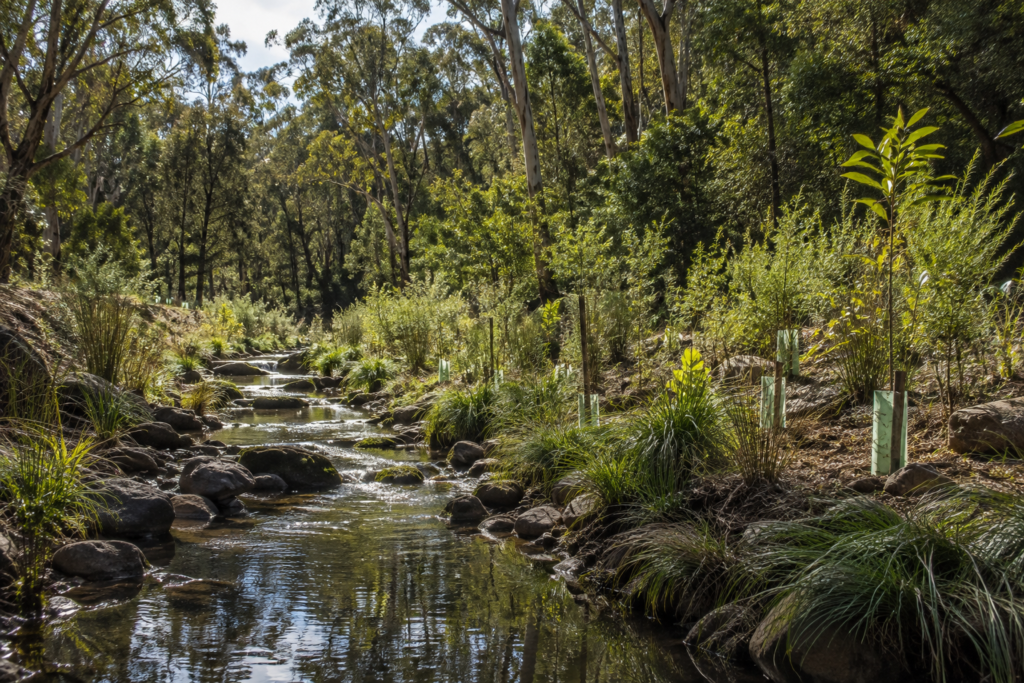
Riparian restoration, which focuses on vegetation alongside rivers and creeks, provides an excellent example of how restoration benefits both people and wildlife. Native trees and shrubs stabilise banks, reducing erosion and preventing sediment from entering waterways. Their roots filter nutrients before they reach streams, improving water quality for aquatic life. Overhanging vegetation shades the water, helping maintain cooler temperatures that many freshwater species require to survive. Fallen branches and logs create habitat for fish, turtles and aquatic invertebrates, while flowering plants provide food for insects and birds. A relatively narrow strip of restored vegetation can therefore generate ecological benefits extending throughout an entire catchment.
Reforestation projects are also becoming increasingly important in addressing both biodiversity loss and climate change. Planting native forests not only provides habitat for wildlife but also stores carbon, improves soil health, reduces erosion and supports regional water cycles. Unlike monoculture plantations, restoring diverse native forests creates far richer habitats capable of supporting a wide variety of species.
Increasingly, restoration projects are designed using the principles of landscape ecology. Rather than restoring isolated patches of habitat, conservation planners seek to reconnect ecosystems through wildlife corridors. These corridors allow animals to move safely between habitats, increasing genetic diversity while improving resilience to climate change. As temperatures continue changing, connected landscapes will become increasingly important by allowing species to gradually shift their distributions in response to changing environmental conditions.
Indigenous Knowledge and Caring for Country
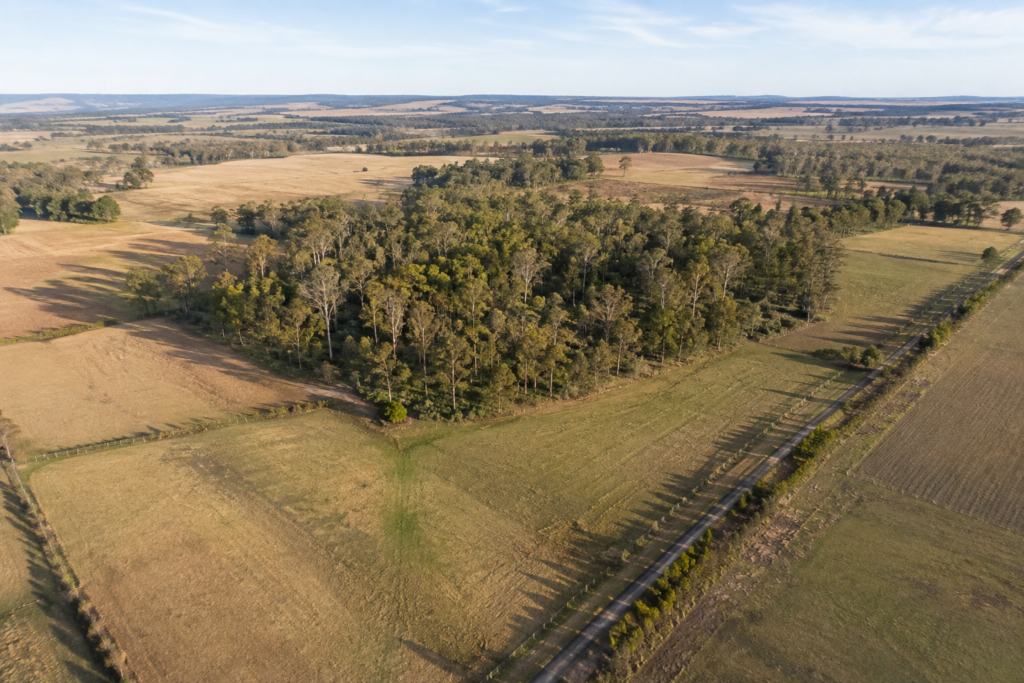
No discussion of biodiversity conservation in Australia would be complete without recognising the extraordinary ecological knowledge held by Aboriginal and Torres Strait Islander peoples. For more than 65,000 years, Indigenous Australians have developed deep understandings of local ecosystems through continuous observation, cultural practice and sustainable land management.
Traditional ecological knowledge encompasses far more than identifying plants and animals. It includes understanding seasonal changes, animal behaviour, fire management, water availability, plant harvesting, cultural relationships with Country and the interconnectedness of ecosystems. This knowledge has been refined over countless generations and remains highly relevant to contemporary conservation.
One area receiving growing attention is cultural burning. Unlike large, high-intensity bushfires that can devastate ecosystems, carefully planned cultural burns are typically cooler, smaller and undertaken under suitable environmental conditions. These burns reduce fuel loads, promote the regeneration of many native plant species, create habitat diversity and help maintain healthier landscapes. Increasing collaboration between Indigenous communities, ecologists and land managers is improving conservation outcomes across Australia while recognising the invaluable role of Traditional Owners in caring for Country.
Modern environmental science and Indigenous knowledge are increasingly viewed as complementary rather than separate disciplines. Combining scientific monitoring with thousands of years of ecological understanding provides a more complete picture of ecosystem health and helps guide more effective conservation strategies for the future.
What You Can Do to Protect Biodiversity
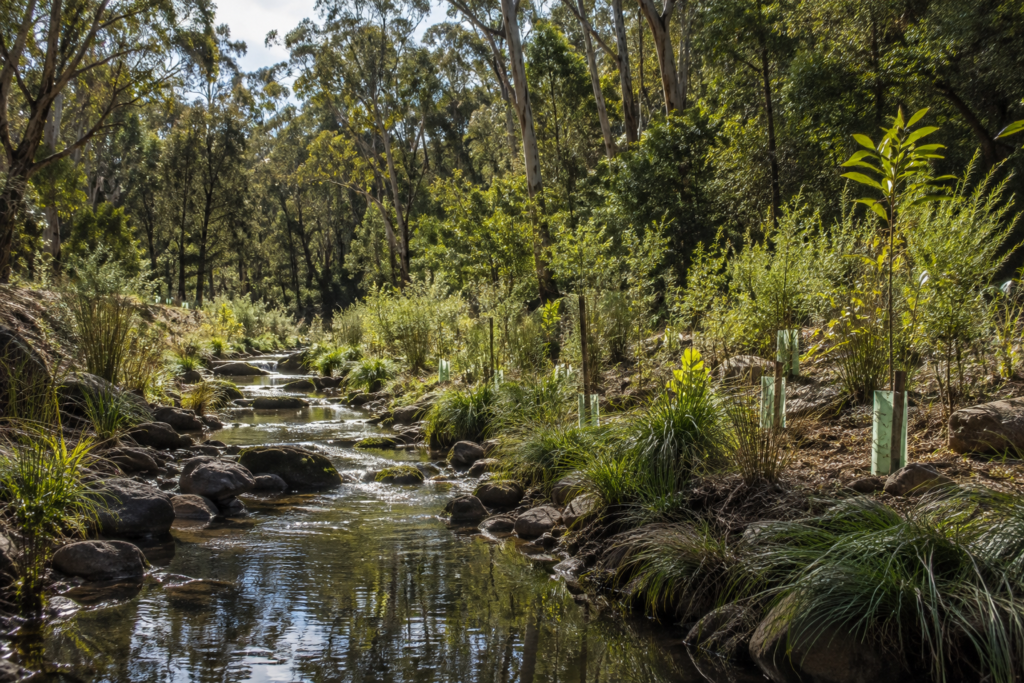
One of the biggest misconceptions about environmental conservation is that meaningful change can only come from governments, scientists or large conservation organisations. While policy, legislation and large-scale restoration projects are undoubtedly important, the reality is that biodiversity is influenced by millions of individual decisions made every single day. Every garden planted with native vegetation, every piece of litter picked up, every sustainably sourced product purchased and every conversation about protecting nature contributes to a broader movement towards healthier ecosystems.
Protecting biodiversity does not require living completely off the grid or making dramatic lifestyle changes overnight. Instead, it is often the accumulation of many small, consistent actions that creates lasting change. Individuals who understand how ecosystems function are generally more likely to make informed choices that reduce environmental impacts while encouraging others to do the same.
One of the simplest ways to support biodiversity is by creating habitat wherever possible. Even a small suburban backyard, balcony or courtyard can become a valuable refuge for wildlife when planted with locally native species. Native flowering plants provide nectar and pollen for bees, butterflies and other pollinators, while shrubs and trees offer food, shelter and nesting sites for birds. Leaving fallen leaves beneath garden beds, installing a shallow bird bath and avoiding unnecessary pesticide use can significantly increase the ecological value of urban spaces.
Reducing waste is another practical way to lessen pressure on natural ecosystems. Every product requires raw materials, energy and transportation before reaching consumers. Choosing reusable products, repairing items rather than replacing them and supporting businesses committed to sustainable practices all help reduce resource extraction and pollution. These choices may seem small individually, but when adopted by millions of people they create substantial environmental benefits.
Perhaps one of the most powerful actions anyone can take is simply spending more time in nature. People are naturally more inclined to protect environments they understand and appreciate. Visiting national parks, walking through local reserves, snorkelling on coral reefs or exploring nearby wetlands encourages curiosity while fostering a stronger connection with the natural world. Environmental stewardship begins with recognising that humans are not separate from nature—we are part of it.
⸻
The Rise of Citizen Science
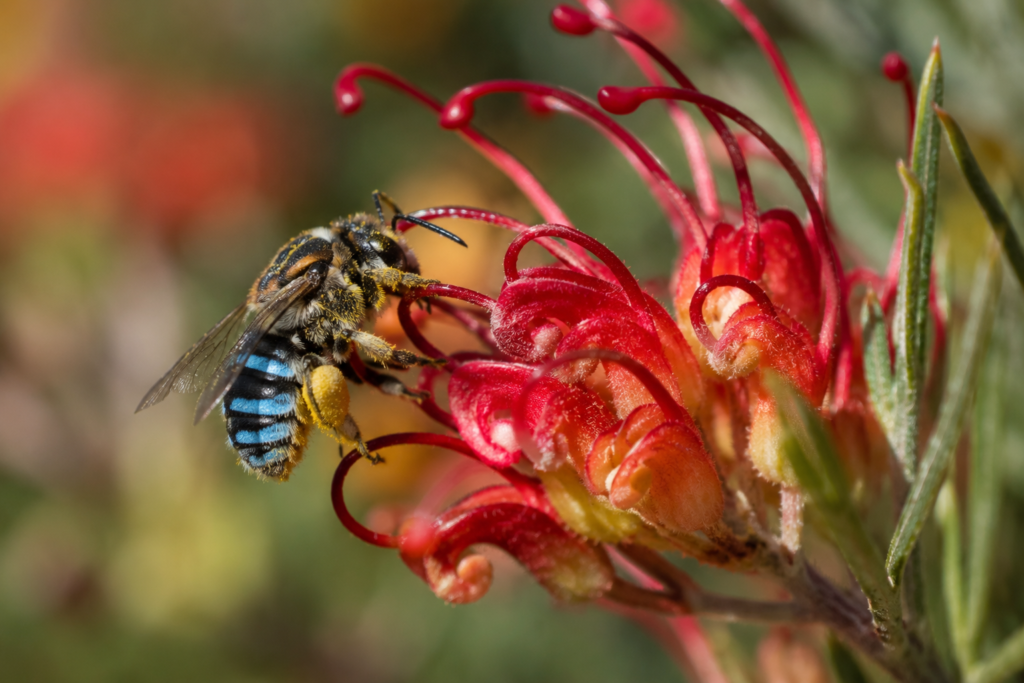
Technology has transformed the way ordinary people can contribute to environmental conservation. Today, anyone with a smartphone can help scientists monitor biodiversity by recording wildlife observations, photographing plants or identifying animal calls. These contributions form part of a growing movement known as citizen science, where members of the public assist researchers by collecting valuable ecological data.
Across Australia, citizen scientists regularly document birds, frogs, reptiles, insects, mammals and plants, helping researchers track changes in species distributions and population trends. These observations are particularly valuable because professional ecologists cannot be everywhere at once. Thousands of people collectively recording biodiversity provide a far more detailed picture of environmental change than would otherwise be possible.
Citizen science also plays an important educational role. Learning to identify local species encourages people to notice seasonal changes, understand habitats and develop stronger connections with their local environment. It transforms nature walks from simple recreation into opportunities for discovery, making environmental science more accessible to people of all ages.
⸻
Technology Is Changing Conservation
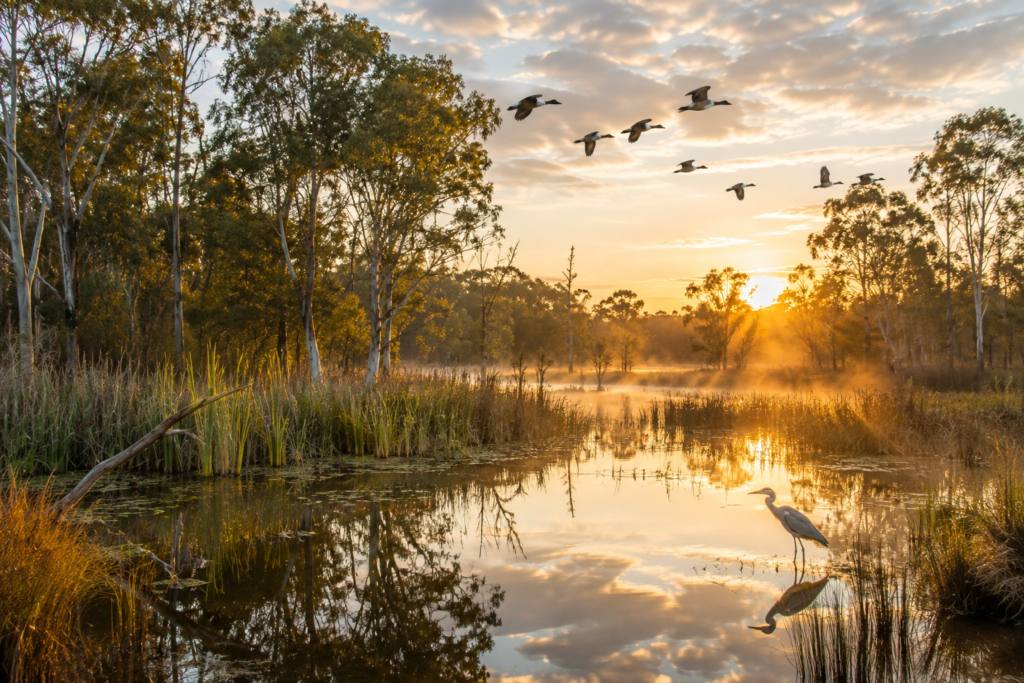
Conservation today looks very different from even a decade ago. Advances in technology are providing researchers with new tools to better understand ecosystems and respond more effectively to environmental challenges.
Satellite imagery allows scientists to monitor forests, wetlands and coral reefs across enormous areas, identifying environmental changes almost in real time. Drones are increasingly used to survey inaccessible landscapes, map vegetation and monitor wildlife without disturbing sensitive habitats. Artificial intelligence can rapidly analyse millions of camera trap photographs, identifying species far faster than manual processing.
One of the most exciting developments is environmental DNA (eDNA). Every organism leaves tiny traces of genetic material in the environment through skin cells, scales, mucus, pollen or waste. By analysing water or soil samples, scientists can detect the presence of species without ever needing to see them directly. This technology is revolutionising biodiversity monitoring, allowing rare or elusive species to be detected more efficiently while reducing disturbance to wildlife.
Combined with Indigenous ecological knowledge and long-term environmental monitoring, these technologies are helping build a more comprehensive understanding of Australia’s ecosystems than ever before.
⸻
Why Environmental Education Matters
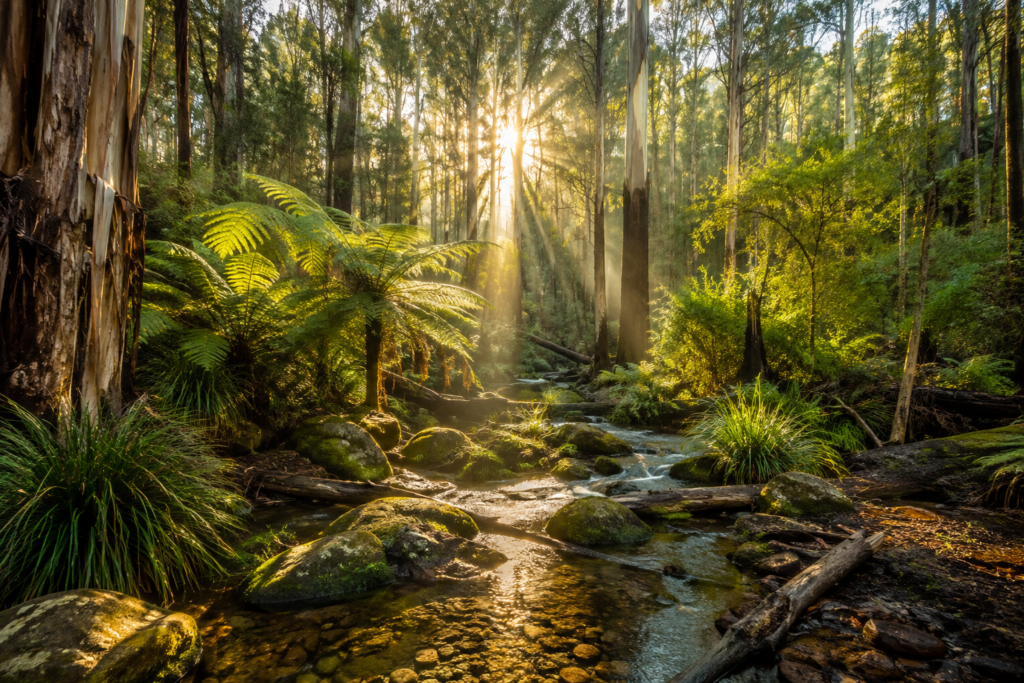
Conservation begins with knowledge. Throughout history, societies have protected the places and species they value most, and people are far more likely to value something they understand. Environmental education therefore represents one of the most effective long-term investments in biodiversity conservation.
When children learn how pollinators support food production, why wetlands filter water or how forests regulate climate, environmental protection becomes tangible rather than abstract. Adults who better understand ecological processes are also more likely to support sustainable policies, volunteer for restoration projects and make environmentally responsible purchasing decisions.
This belief forms the foundation of Our Natural Universe. Our goal is to make ecology, environmental science and conservation accessible to everyone—not just scientists. By explaining complex environmental topics in clear, engaging language, we hope to inspire curiosity, encourage informed discussions and empower more people to become active stewards of the natural world.
Knowledge creates appreciation, appreciation encourages action, and collective action has the power to protect the extraordinary biodiversity that makes life on Earth possible.
⸻
Final Thoughts
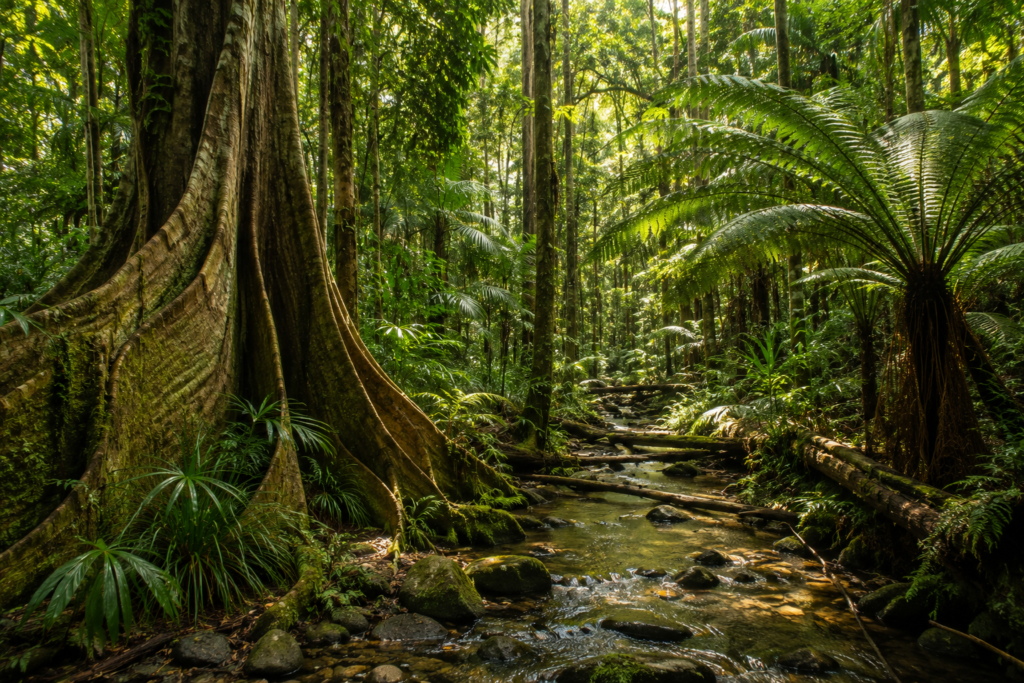
Biodiversity is often described as the web of life, and for good reason. Every ecosystem is built upon countless relationships between plants, animals, fungi, microorganisms and the physical environment. Together, these relationships create resilient natural systems that regulate our climate, purify our water, produce our food and support every aspect of human civilisation.
Although biodiversity faces unprecedented challenges, there is genuine reason for optimism. Around the world, forests are being restored, rivers are recovering, endangered species are returning and communities are embracing more sustainable ways of living. Every conservation success demonstrates that when people work with nature rather than against it, ecosystems can recover.
The future of biodiversity will not be determined by one major decision alone. Instead, it will be shaped by millions of everyday choices made by governments, businesses, scientists and individuals alike. Whether you plant native flowers, reduce waste, support conservation organisations, participate in citizen science or simply spend more time learning about nature, your actions become part of a much larger movement working towards a healthier planet.
Protecting biodiversity is ultimately about protecting ourselves. The natural world has sustained humanity for thousands of generations. The responsibility now rests with us to ensure it continues thriving for thousands more.
⸻
Recommended Eco-Friendly Products
If you’d like to support biodiversity while adopting more sustainable habits, these products are practical additions to any environmentally conscious lifestyle.
- The Australian Bird Guide
- Native Australian Wildflower Seed Collection
- Stainless Steel Reusable Water Bottle
- Compost Bin for Home Gardens
- National Geographic Field Guide to Birds
⸻
Frequently Asked Questions
What is biodiversity?
Biodiversity refers to the variety of life on Earth, including all plants, animals, fungi, microorganisms, their genetic diversity and the ecosystems they form.
Why is biodiversity important?
Healthy biodiversity supports clean water, food production, climate regulation, pollination, healthy soils, medicines and resilient ecosystems that benefit both wildlife and people.
What causes biodiversity loss?
The primary drivers include habitat destruction, climate change, invasive species, pollution, overexploitation of natural resources and unsustainable land use.
Why is Australia’s biodiversity unique?
Australia evolved in isolation for millions of years, resulting in thousands of endemic species found nowhere else on Earth, including many mammals, reptiles, birds and plants.
How can I help protect biodiversity?
Plant native vegetation, reduce waste, avoid unnecessary pesticide use, support conservation organisations, participate in citizen science projects and learn more about your local environment.
⸻